
30-Year Building Recertification Explained
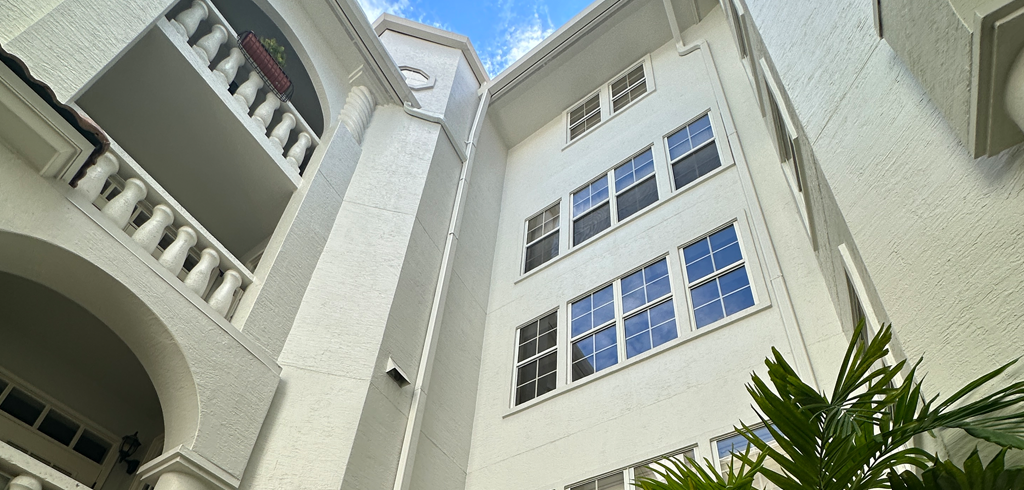
A 30-year building structural recertification matters for every Florida community with an aging structure. This inspection helps protect residents, supports long-term safety, and keeps associations aligned with local requirements.
Many properties approach this milestone without a clear plan, which can create stress for boards and residents alike. A structured approach to a 30-year building structural recertification reduces uncertainty. Stone Building Solutions supports communities with calm guidance, clear reporting, and professional engineering oversight to make the process manageable and transparent.
What A 30-Year Recertification Involves
A 30-year building structural recertification evaluates the structural and electrical conditions of a property. The main goal is straightforward. Engineers examine the building to confirm that it remains safe for continued occupancy. The process identifies concerns early so associations can plan repairs proactively. This supports strong governance and helps boards stay on track with deadlines set by cities or counties.
Our engineers perform a complete Phase One assessment with close attention to accuracy and clarity. We examine visible structural systems, electrical components, and other critical building elements.
Every detail matters. Clear observations help the association understand the true condition of the building and make informed decisions.
Why Florida Buildings Need This Recertification
Florida’s climate places constant stress on buildings. Heat, humidity, coastal salt air, and frequent storms can accelerate wear and deterioration faster than expected. A 30-year recertification provides associations with a timely and detailed snapshot of the building’s current condition.
It helps protect long-term property value, supports resident safety, and confirms that structural and electrical systems are performing as intended. Local officials require these studies to reduce long-term risks and establish consistent standards for aging structures across the state.
We step in with professional engineering support. Our team observes systems that influence long-term performance, from structural frames and balconies to electrical panels and envelope conditions. We communicate findings in clear, accessible language so board members feel confident when reviewing results. A well-organized report reduces stress, removes confusion, and equips associations to make strategic decisions for repairs, maintenance, and future inspections.
How The Process Works
The process begins when the local jurisdiction sends a notice to the association. The association then has a limited time to complete a Phase One evaluation. Inspections are scheduled promptly to help communities stay on track. During the visit, structural elements, balconies, electrical systems, and other areas tied to safety are carefully examined.
A Phase One report may indicate the need for a Phase Two, which occurs when further investigation is required. Phase Two involves more detailed inspections or testing. Associations often express concern about this step, but clear explanations of expectations reduce uncertainty. Each requirement is communicated in simple terms, with opportunities to ask questions as needed.
The Importance Of Clear Engineering Reports
Clear engineering reports help all stakeholders stay aligned and informed throughout the recertification process. Board members need straightforward findings, residents look for reassurance, and city officials require accurate documentation.
Using simple language and direct explanations, these reports avoid confusing terminology while clearly detailing the condition of each system. This clarity allows communities to make confident, well-informed decisions regarding repairs, maintenance, and long-term planning.
Reports also demonstrate how recertification connects to funding needs. Structural reviews play an essential role in long-term reserve planning. Boards benefit from guidance on next steps and strategies for preparing for future assessments.
Benefits For Condo And HOA Communities
A timely 30-year building structural recertification enhances safety and strengthens trust within the community. Residents gain peace of mind knowing an experienced team has carefully evaluated the building’s condition. Boards benefit from a structured, clear process that guides each step of the assessment.
Early identification of potential issues allows for smoother planning, helping boards schedule repairs efficiently and avoid last-minute challenges. Advanced awareness supports proactive decision-making, reduces stress before major work is required, and contributes to maintaining the building’s long-term performance, safety, and overall value.
How Stone Building Solutions Supports The Process
Stone Building Solutions focuses on engineering oversight rather than construction. We monitor work carried out by contractors, provide guidance when needed, and observe progress to make sure that repairs align with engineering requirements. This approach gives boards confidence that the focus remains on structural accuracy, safety, and long-term performance.
Our team schedules inspections promptly, answers questions clearly, and guides associations through every step after the report. We help boards understand timelines, official notices, and requirements from local authorities.
Moving Forward With Confidence
A 30-year building structural recertification feels stressful for many associations at first, but it can become a positive turning point. It helps communities understand the condition of their building and gives them a clear path forward.
Our team stands ready to support you with steady communication, professional engineering oversight, and respectful guidance. If your building is approaching a recertification deadline, reach out so we can help you move forward with confidence.