REQUEST A QUOTE
"*" indicates required fields
The insurance world is complex, particularly regarding building inspection and construction claims. One of the key players in this realm is the insurance adjuster. Their primary role is to assess the validity and value of insurance claims.
However, not all adjusters are the same. Understanding the various types of insurance adjusters can help individuals navigate the claims process more effectively.
Staff adjusters are full-time employees of the insurance company. They handle claims on their employer’s behalf and represent the insurance firm’s interests.
These adjusters don’t work for any specific insurance company. Instead, they operate independently or through adjusting firms and handle claims for multiple insurance companies.
Public adjusters are unique. They don’t work for insurance companies but for policyholders. They assist individuals in preparing, filing, and negotiating insurance claims.
When large-scale disasters like hurricanes, floods, or earthquakes occur, catastrophe adjusters are called upon. They handle a high volume of claims arising from a specific catastrophic event.
Desk adjusters typically work from the insurance company’s office and handle claims over the phone or online. They often deal with less complex claims that don’t require on-site inspection.
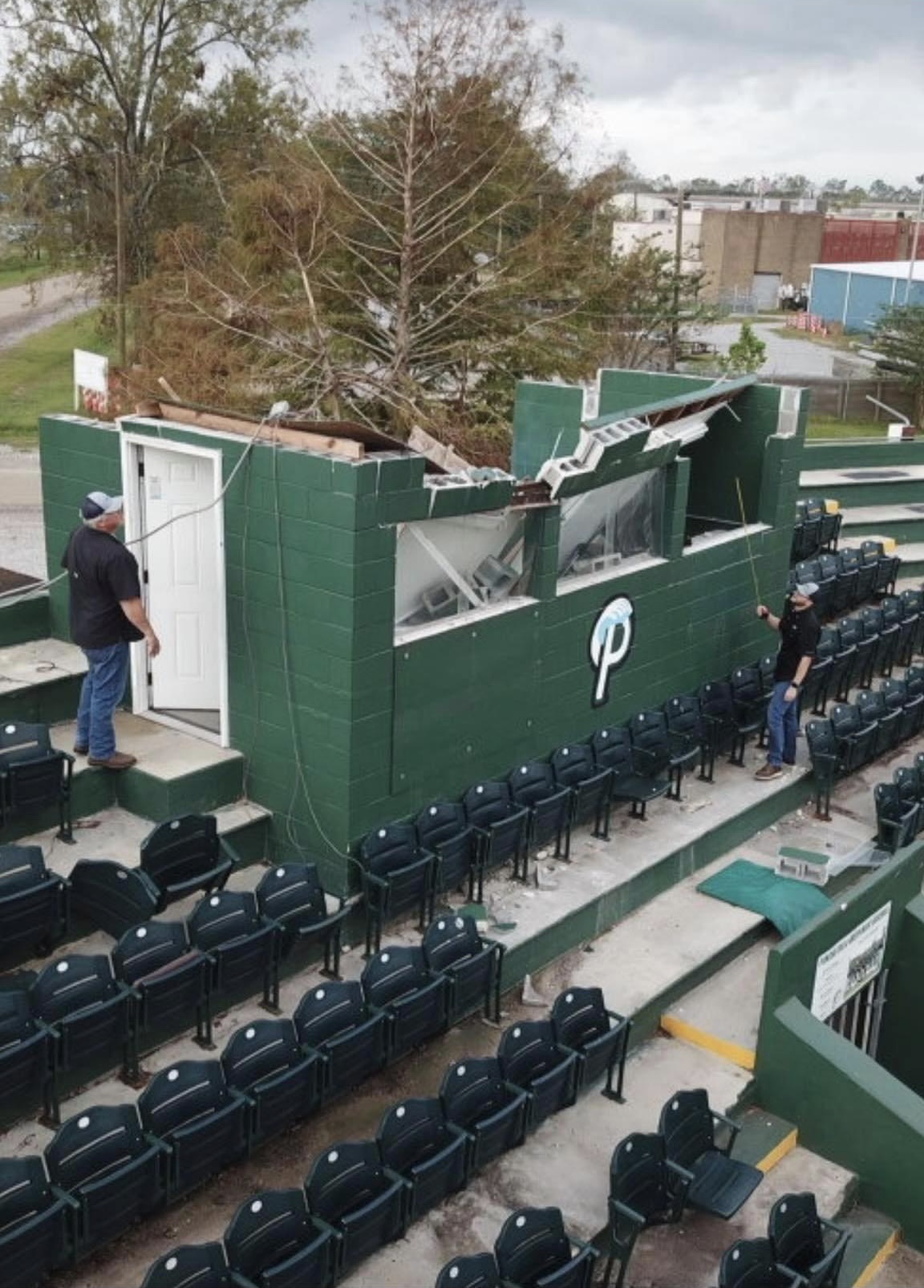
Opposite to desk adjusters, field adjusters go on-site to inspect damages. They are often involved in more complex claims, like those arising from construction defects or extensive property damages.
Understanding the different types of insurance adjusters is pivotal for anyone involved in the construction or building inspection industries. Each type of adjuster brings a unique perspective and set of responsibilities to the table.
Whether you’re a policyholder seeking a fair evaluation of damages or a professional in the construction field, knowing who you’re dealing with can shape your approach and interactions during the claims process. Remember, while adjusters have a job to do, effective communication and mutual respect can go a long way in ensuring a smooth and fair claims resolution.
"*" indicates required fields