REQUEST A QUOTE
"*" indicates required fields
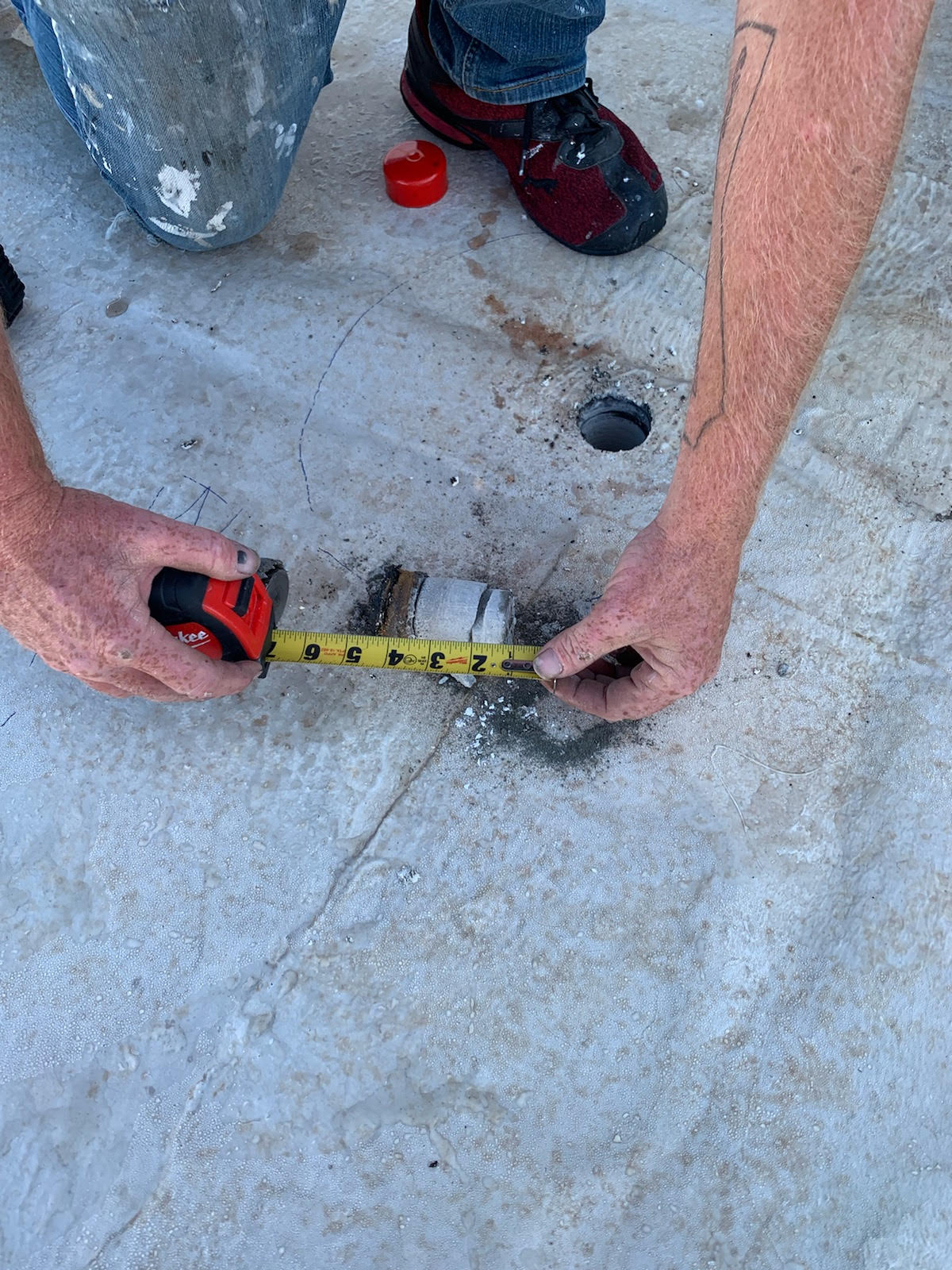
Whenever you marvel at a skyscraper touching the clouds or a bridge spanning a vast chasm, there’s a construction engineer behind the scenes who transformed a vision into reality. But how do these engineers solve daunting challenges in construction projects? Let’s explore the ingenuity and expertise of these professionals, making the impossible possible.
At their core, a construction engineer bridges the gap between design and practical implementation. They take architectural blueprints and transform them into structurally sound, real-world structures. This involves overseeing the project’s planning, budget, and execution while ensuring that it aligns with safety standards and engineering principles.
One of the primary tools in a construction engineer’s toolkit is embracing technological advancements:
Modern software allows engineers to create detailed 3D models of projects. This gives a visual representation and helps in understanding the potential challenges and running simulations to predict possible outcomes.
The constant development of new construction materials—whether it’s ultra-strong concrete or flexible alloys—allows engineers to tackle previously-thought-impossible designs.
When faced with challenges like unstable ground, extreme weather conditions, or tight urban spaces, the construction engineer needs to think on their feet:
For structures built on unstable terrains, engineers may opt for techniques like soil stabilization or special foundation types like piles or caissons.
Engineers incorporate designs that can withstand heavy rains, strong winds, or seismic activities in regions prone to extreme weather conditions.
In crowded urban areas, the solution may involve multi-level basements, innovative scaffolding, or even constructing upwards instead of outwards.
No construction engineer operates in isolation. They work closely with architects, contractors, urban planners, and other engineers:
An effective construction engineer understands their role and the requirements and challenges of other teams involved. This holistic approach ensures that the project remains feasible from all perspectives.
Conveying technical details to non-engineers and ensuring everyone remains on the same page is essential. A successful construction engineer is also an effective communicator.
The construction landscape is ever-evolving. Thus, engineers continuously update themselves:
Many engineers frequently attend seminars, workshops, and courses to stay updated on the latest technologies and methodologies.
Hands-on experience remains one of the best teachers. Even seasoned engineers can learn new tricks of the trade by being on-site and tackling challenges head-on.
Above all, a construction engineer prioritizes safety. Whether it’s ensuring that a building can withstand natural calamities or making sure that construction sites are hazard-free zones for workers, the well-being of people is always paramount.
Routine checks and inspections are carried out to ensure that all safety protocols are being followed and that the structure aligns with the set standards.
Engineers also design and implement emergency response strategies, ensuring quick and effective action in case of any unforeseen events.
Behind every awe-inspiring structure, there’s a construction engineer who overcame a series of challenges to bring a vision to life. Their expertise, creativity, and problem-solving abilities ensure that our built environment is functional and safe and pushes the boundaries of what’s possible. As we look to the future of construction, the role of the construction engineer will only grow in importance, making the unimaginable achievable.
"*" indicates required fields