REQUEST A QUOTE
"*" indicates required fields
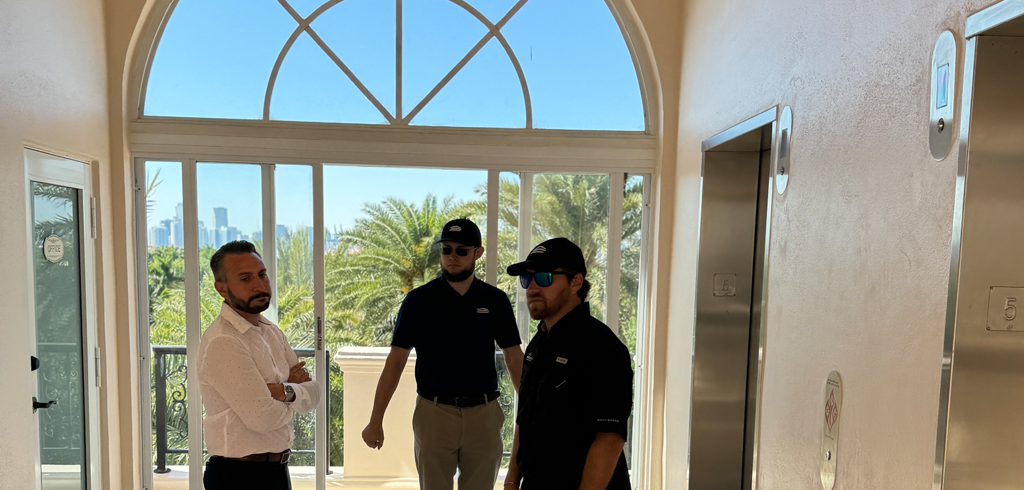
A thorough risk assessment for steel frame construction protects workers, structural components, and long-term project goals. Steel frames offer strength and flexibility, yet they demand careful attention at every phase of construction. Site conditions change rapidly, and teams benefit from consistent engineering oversight to maintain safety and organization.
Our engineers at Stone Building Solutions help property owners, contractors, and communities understand potential hazards and guide them with clear communication and practical insight.
Steel frame projects involve heavy materials, elevated workspaces, and intricate connections. A risk assessment for steel frame construction identifies hazards before they can impact progress or safety. Many owners feel anxious as steel work begins because structures rise quickly and tasks occur simultaneously at height.
Our engineers observe the site and document conditions that could threaten workers or the stability of the steel. Early recognition of risks helps teams plan effectively and reduces the chance of accidents.
A strong assessment communicates expectations to every team member. It supports planning, scheduling, and coordination. Our role focuses on observing construction and guiding general contractors in the safety steps required. We do not perform physical work, instead monitoring progress to maintain alignment with engineering standards and project goals.
The first step in a risk assessment is identifying potential hazards. Steel frame construction sites involve lifting, welding, bolting, and working at height, and each of these tasks carries inherent risks. Our engineers carefully observe the site to spot conditions that could lead to accidents or compromise structural integrity.
Common concerns include unstable ground, inadequate lighting, and improper handling of materials. Our team reviews project drawings and compares them with actual field conditions to identify discrepancies. We monitor how contractors maneuver steel members and how crews access elevated areas.
Weather conditions such as wind, heat, and rain are also closely observed, as they can significantly affect safety during steel erection. This thorough observation process allows us to identify issues early and address them before they disrupt progress or create safety risks.
Once hazards are identified, the associated risks are evaluated. Steel frame projects require precise assessment because a single misaligned beam or loose connection can affect the entire structure.
Evaluation considers the likelihood of each hazard occurring and the potential impact on the project. Environmental conditions, such as temperature, wind, and surface conditions, are assessed to determine how they interact with the steel frame during construction.
Clear communication of these risks is essential. Presenting findings in straightforward language allows property managers, contractors, and stakeholders to understand potential issues without technical confusion. Accurate risk evaluation builds confidence in safety measures and promotes informed decision-making.
A risk assessment informs the selection of control measures that reduce hazards. Measures may include adjusting access points, modifying lifting paths, or improving coordination among crews. Guidelines should be clearly communicated to all personnel responsible for steel frame installation, so that engineering requirements for safe construction are understood.
Separation of oversight from physical construction supports better outcomes and maintains the long-term stability of the structure. Risk controls focus on proactive management rather than reactive intervention, which helps reduce the likelihood of accidents or structural issues.
Monitoring is critical during steel frame erection. New hazards emerge as the structure grows, making continual observation essential. Key elements such as installed beams, temporary bracing, welds, bolted connections, and overall alignment should be examined to prevent mistakes that could affect final structural performance.
Monitoring supports timely corrective actions and helps maintain safe working conditions. Continuous observation allows crews to address issues promptly. This will help avoid costly disruptions and maintain construction quality throughout the project.
The final step of a risk assessment involves reviewing all findings and updating the plan as the project progresses. Steel frame construction changes quickly, so the risk assessment must adapt as new levels rise and work areas shift. Our engineers update observations and communicate changes in simple, direct terms.
This step helps project owners feel informed and supported. It reduces confusion and helps teams understand what comes next. We stay involved as construction continues, and we help communities plan for future inspections and safety needs.
A risk assessment for steel frame construction helps teams stay safe and organized. It offers clarity, structure, and ongoing awareness. Our engineers at Stone Building Solutions guide communities and contractors through each step with patience and professionalism.
If your project needs steady oversight and clear engineering support, reach out to us. We will help your team move forward with confidence and peace of mind.
"*" indicates required fields