REQUEST A QUOTE
"*" indicates required fields
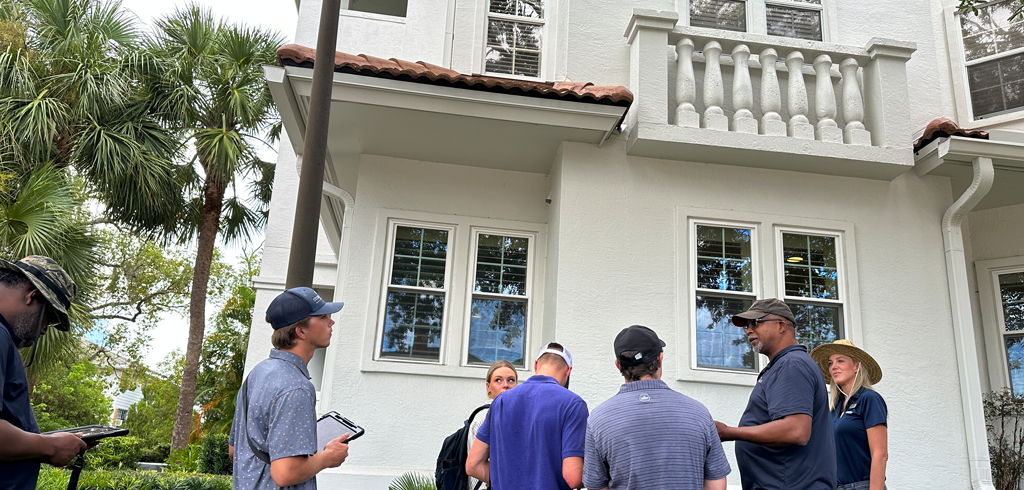
A periodic structural inspection is a regularly scheduled evaluation of a building’s structural components to assess safety, integrity, and compliance with regulations. Property owners, facility managers, and engineers rely on these inspections to detect potential issues before they develop into serious problems.
Regular assessments support sound decisions about maintenance, repairs, and overall building performance.
Periodic structural inspections help identify hidden or developing structural concerns early. Inspectors examine load-bearing elements, foundations, beams, and columns to detect deterioration, deflection, or movement.
Conducting these inspections at regular intervals lets building owners avoid costly repairs and reduce risks to occupants. Periodic assessments are especially relevant for older buildings or properties located in areas exposed to environmental stressors such as high winds, storms, or coastal conditions.
During a periodic structural inspection, multiple components are evaluated to determine overall building stability. Structural inspections focus on beams, columns, slabs, and connections to assess load-bearing capacity. Inspectors look for cracks, corrosion, or other signs of material degradation that may affect long-term safety.
Facade inspections are often conducted in conjunction with evaluating exterior walls, cladding, and attachment points. Documenting these observations with detailed notes and photographs helps to create a clear record of the building’s current condition.
Engineering expertise is necessary for interpreting findings from a periodic structural inspection. Engineers review data, compare it to design specifications, and identify areas that may require additional reinforcement or repair.
Their analysis considers forces acting on the building, material performance, and potential consequences of observed deficiencies. This technical evaluation helps property owners make better choices about corrective actions and ongoing monitoring.
The timing and frequency of periodic structural inspections differ based on building type, age, and regulatory requirements. High-rise commercial buildings, multi-family residential structures, and historically relevant properties can require inspections more frequently than newer or smaller buildings.
Scheduling inspections at consistent intervals helps building owners plan budgets, prioritize maintenance, and maintain compliance with safety standards.
Conducting a periodic structural inspection reduces risks by identifying potential issues early. Inspectors provide objective evaluations of structural performance and highlight areas that may need immediate attention.
Reports generated from these inspections also support property management decisions. This allows teams to prioritize repairs or allocate resources. These findings strengthen long-term planning, improve budgeting accuracy, and help property owners understand how structural elements are aging.
Consistent documentation also creates a reliable history of building conditions that supports future renovations and compliance efforts.
Stone Building Solutions observes and interprets periodic structural inspection results to guide our clients. Our team reviews engineering assessments and inspection reports to monitor building conditions closely.
We focus on clarity, accuracy, and practical insight throughout each inspection project. Observing inspections allows us to help stakeholders recognize structural performance, plan necessary maintenance, and maintain building safety over time.
Our involvement makes sure that property owners can make confident decisions about the care and longevity of their buildings.
If you have questions about periodic structural inspection, please reach out to Stone Building Solutions to learn how we observe, interpret, and guide building evaluations for safe and compliant structures.
"*" indicates required fields