REQUEST A QUOTE
"*" indicates required fields
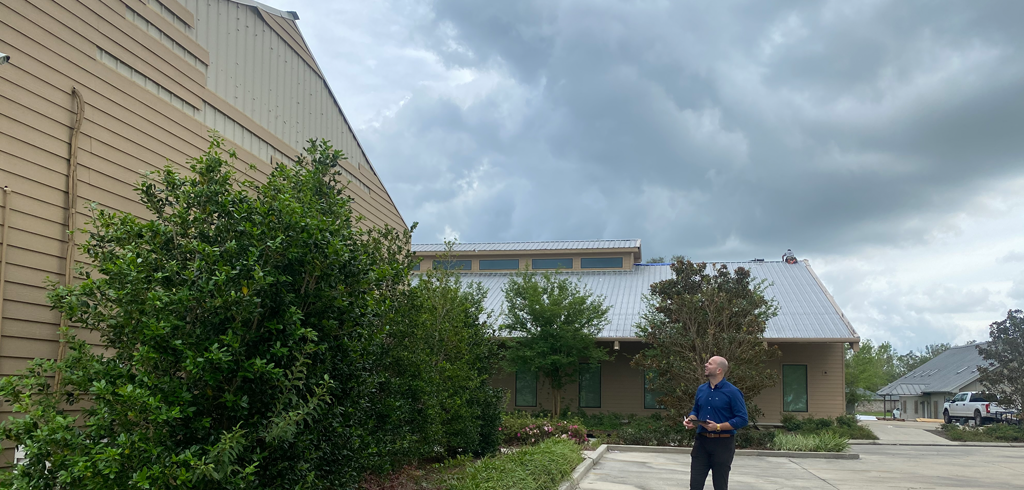
A retaining wall inspection checklist helps property owners, engineers, and contractors systematically evaluate wall performance. Retaining walls support soil, protect landscapes, and maintain structural stability in graded areas.
Failure to identify issues early can result in soil movement, drainage problems, or full collapse. Using a structured approach allows teams to observe conditions, document findings, and plan interventions before problems escalate or create costly repairs.
The first item on a retaining wall inspection checklist is a comprehensive visual review of the wall structure. Inspectors look for cracks, bulges, leaning, or separation between blocks or panels. These conditions may signal pressure buildup or settlement behind the wall.
Reviewing alignment and surface condition offers immediate insight into structural performance and potential maintenance needs. Even small deviations or subtle shifts can point to developing concerns that warrant closer evaluation.
Water plays a significant role in retaining wall deterioration. Inspectors review drainage elements such as weep holes, perforated piping, and gravel backfill to confirm that water can exit as intended. Standing water or saturated soil behind the wall increases lateral pressure and can accelerate bowing or leaning. Assessing water management helps anticipate areas that may require intervention to maintain wall stability. Seasonal fluctuations and heavy rainfall events are also considered during inspection planning.
Different construction estimates respond differently to environmental exposure. Concrete, masonry, timber, and stone all have distinct aging characteristics. Inspectors evaluate material performance, noting erosion, cracking, corrosion, or rot.
Careful material evaluation helps predict long-term behavior and guides decisions related to reinforcement, repair, or replacement. Reviewing fasteners, joint integrity, and surface wear adds further insight into potential future concerns.
A wall’s ability to handle soil pressure depends on design and site conditions. Inspectors consider slope, retained soil type, and adjacent structures to evaluate load capacity. Minor shifts or deformations may indicate excessive stress.
Field measurements and condition reviews allow engineers to determine whether the wall continues to function as intended or if load redistribution may be necessary. Understanding how loads accumulate over time also helps establish maintenance priorities.
The inspection also examines the surrounding area. Root systems, nearby trees, and landscape changes can influence soil pressure and wall stability. Erosion, water runoff, and ground settlement around the wall can also impact long-term performance.
Identifying environmental interactions is part of a thorough structural inspection process and supports informed planning for repairs or preventive measures. Inspections also consider future landscaping or construction that could alter load patterns.
After observation, inspectors compile findings into a detailed report. A construction estimate may accompany the documentation to outline recommended maintenance, reinforcement, or replacement options.
Photographs and diagrams support written observations, giving property owners a clear picture of current conditions. Well-documented inspections allow teams to prioritize interventions based on urgency, potential impact, and anticipated lifecycle costs.
Stone Building Solutions approaches retaining wall evaluation as engineers focused on observing structural performance.
We study wall alignment, material behavior, load response, and interactions with surrounding soil and vegetation. Our observations help property teams grasp the wall’s behavior over time and inform practical maintenance or repair decisions.
By documenting performance patterns, drainage interactions, and potential stress points, we help clients plan interventions with confidence.
If you would like to discuss a retaining wall inspection or schedule an observation, please feel free to reach out to Stone Building Solutions.
"*" indicates required fields