When starting a construction project, two of the most important documents are architectural vs. structural plans. Both play essential roles in building design and construction, yet each serves a different purpose and communicates different information.

Understanding how these plans differ helps property owners and developers see how design intent and structural performance come together to form a safe, functional, and visually appealing building.

What Are Architectural Plans?

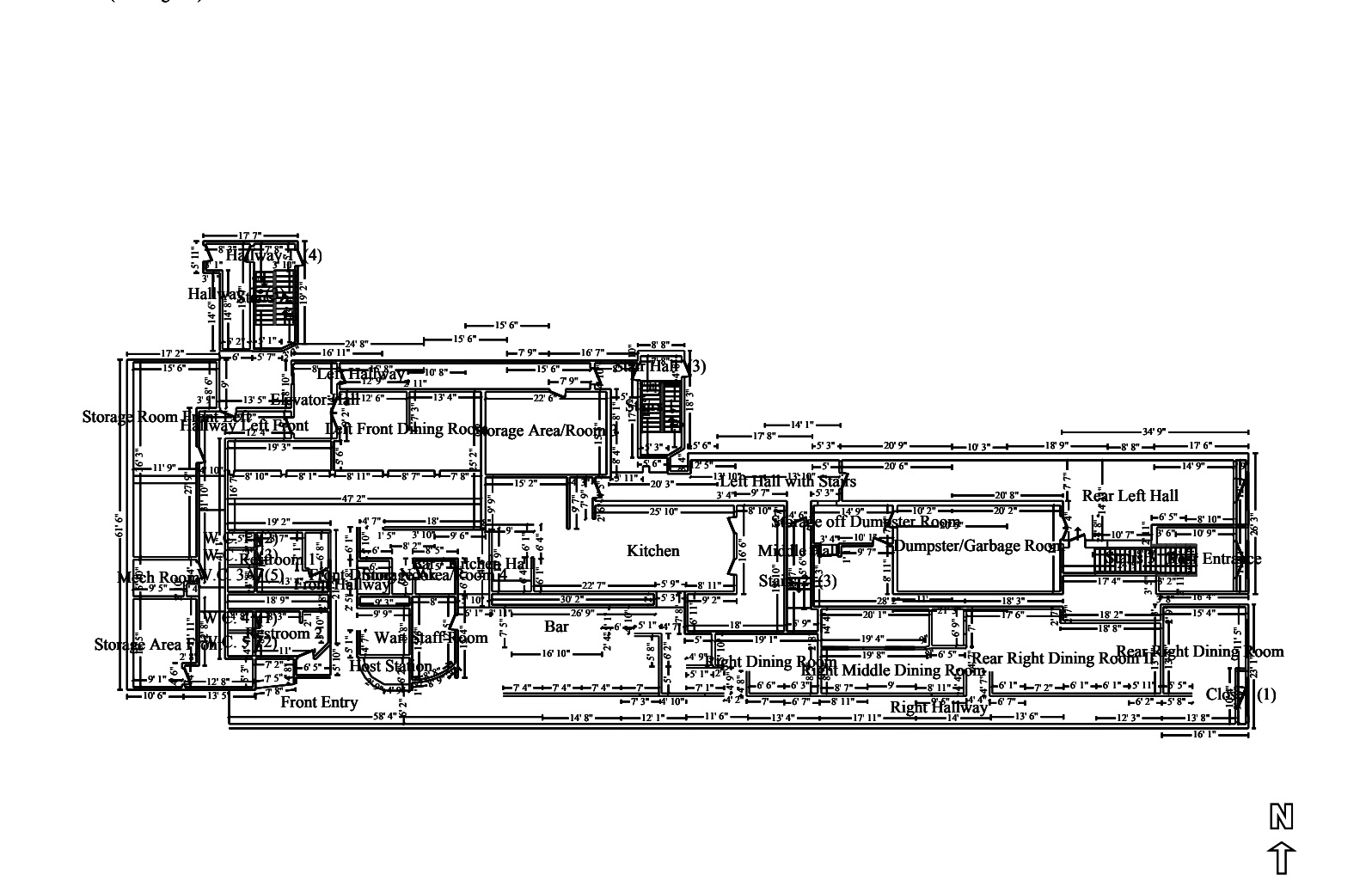
Architectural plans focus on the design, layout, and use of a building. These drawings describe how a building will look and how interior and exterior spaces will function.

They act as a visual roadmap for the project, addressing room sizes, door and window placement, circulation, and overall appearance. Architectural plans help confirm that the design supports the intended use of the space and aligns with aesthetic goals.

Key Features of Architectural Plans

Architectural plans often include:

  • Floor plans: These show the layout of the building, including walls, doors, windows, and furniture placement. They are the most basic and common type of architectural drawing.
  • Elevations: These are side views of the building that show the exterior appearance, materials, and finishes.
  • Sections: These cut-through drawings help illustrate the relationship between different levels of the building, including floor heights, ceiling designs, and stair layouts.
  • Details: These drawings focus on specific parts of the design, like stairs, window trim, and wall finishes.

Architectural plans are developed by architects and provide a clear vision of how the final building will look and function. These plans are vital for obtaining permits and approvals from local authorities.

What Are Structural Plans?

Structural plans are prepared by structural engineers and focus on how the building remains stable and secure. These drawings explain how loads move through the structure and how the building resists gravity, wind, and seismic forces. While architectural plans describe appearance and layout, structural plans define how the building safely supports itself.

Key Features of Structural Plans

Structural plans often include:

  • Foundation plans: These show the layout and design of the foundation, including the type of foundation (slab, crawl space, or full basement) and the materials used.
  • Beam and column layouts: These plans specify where the beams and columns will be located to support the building’s weight.
  • Framing plans: These drawings show the structural framework of the building, including walls, floors, and roof framing.
  • Detailing of materials: Structural plans specify the type and strength of materials to be used, such as steel, concrete, or wood.

Structural engineers develop these plans to confirm that the building can safely support all expected loads throughout its service life.

Key Differences Between Architectural and Structural Plans

While both architectural and structural plans are essential for the construction process, they serve distinct roles:

  • Purpose and Focus: Architectural plans focus on the design, layout, and functionality of the building. They address how the space will look and how the users will interact with it. Structural plans focus on the stability, strength, and safety of the building. They detail the building’s framework and make sure that it will withstand the forces it is exposed to.
  • Level of Detail: Architectural plans offer detailed views of the building’s exterior and interior, including design elements, materials, and finishes. Structural plans provide technical details on the structural components of the building, such as foundations, framing, and load-bearing elements.
  • Role of Professionals: Architectural plans are created by architects who specialize in design and aesthetics. Structural plans are created by structural engineers who specialize in guaranteeing that the building will be stable and safe.

Contact Us Today

If you are ready to begin your building project, contact us today for professional guidance and structural oversight. We are here to help you navigate the process and ensure your project is successful and safe. Contact us now to schedule a consultation and discuss your project needs.

See more in: code compliance, construction inspections, construction plans, load-bearing systems, structural engineering