REQUEST A QUOTE
"*" indicates required fields
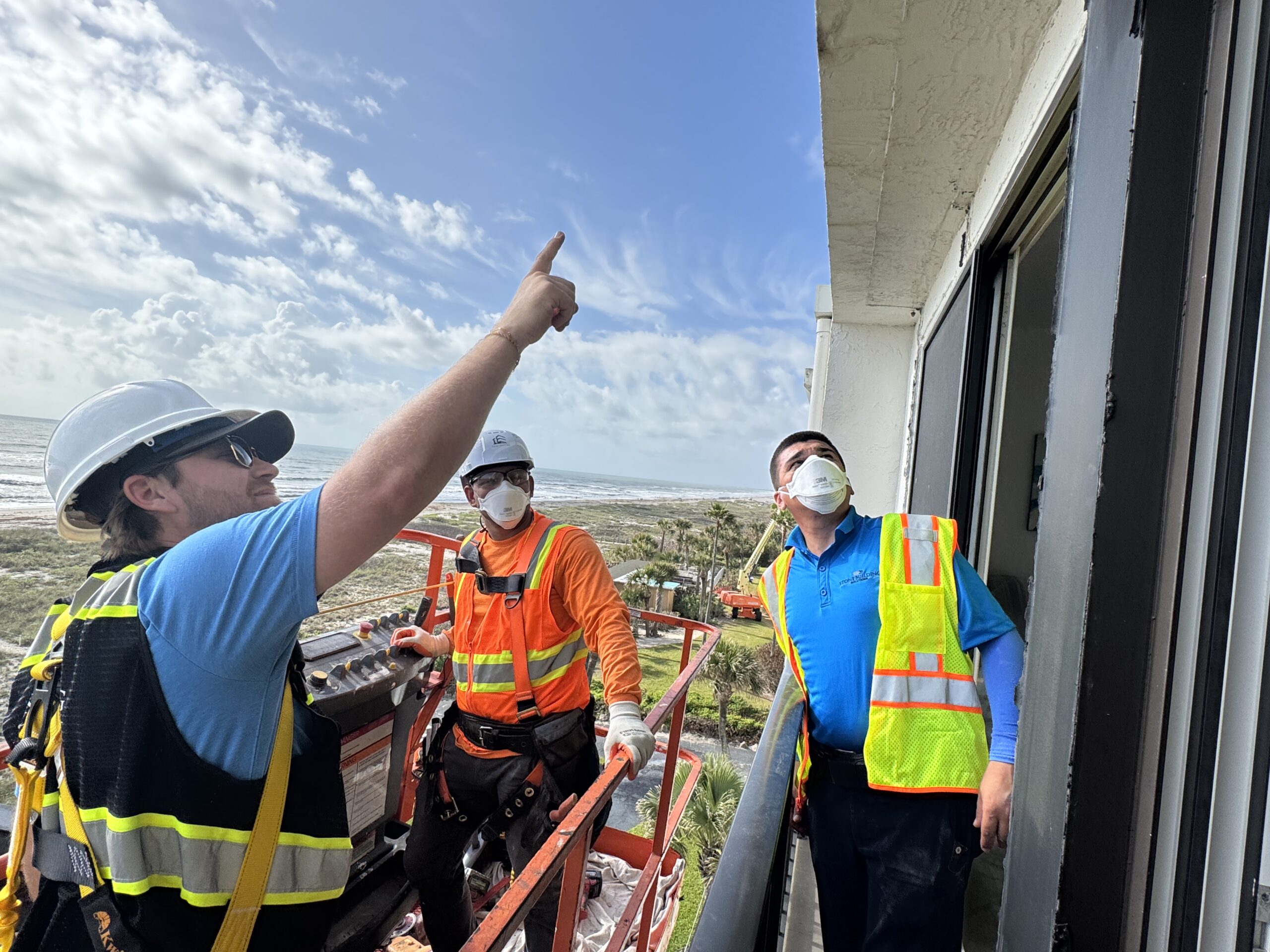
Nobody wakes up one morning and decides a construction project is headed toward a claim.
In most cases, the conditions that eventually lead to disputes have been building for months. Sometimes years.
A contractor submits a change order that nobody fully understands. An RFI gets answered, but not clearly enough to eliminate confusion in the field. Documentation becomes inconsistent. Work moves forward while unresolved questions remain in the background. Individually, none of these issues seem serious. Together, they create the kind of uncertainty that construction projects struggle to recover from.
By the time attorneys become involved, the project is usually no longer arguing about the original issue.
It’s arguing about what happened, who knew about it, and whether anyone can prove it.
That distinction matters.
Most construction claims are not caused by catastrophic failures. They are caused by a series of small decisions, assumptions, and communication breakdowns that gradually compound over time. The actual defect, delay, or cost overrun is often just the event that forces everyone to confront problems that have existed for months.
One of the most common patterns we see is a project that slowly loses alignment. The owner believes one thing is being delivered. The contractor interprets the documents differently. Consultants provide guidance that gets applied inconsistently in the field. Nobody is intentionally creating a dispute, but everyone is operating with slightly different expectations.
Eventually those differences become impossible to ignore.
At that point, projects typically start showing warning signs:
These issues rarely guarantee a claim. However, they often indicate that project risk is increasing.
The challenge is that construction disputes almost always become documentation disputes. Once a problem reaches a certain point, the conversation shifts away from technical issues and toward records. Who documented the condition? When was it identified? What direction was provided? Was the issue communicated? Was corrective action recommended?
The teams with the strongest documentation typically have the strongest position.
That is one reason experienced construction monitoring creates so much value. Good oversight is not simply about identifying deficiencies. It is about creating a clear record of project conditions while decisions are being made. That documentation often becomes just as important as the technical findings themselves.
Strong project teams understand this. They do not wait for conflict before improving communication. They create systems that reduce the likelihood of conflict in the first place.
That means maintaining clear records, documenting field conditions, tracking unresolved issues, verifying progress, and making sure critical decisions are communicated consistently across the project team.
None of those activities feel particularly exciting while construction is underway.
They become extremely valuable later.
The projects that avoid claims are not necessarily the projects without problems. Every project encounters challenges. The difference is that successful teams address those challenges early, document them thoroughly, and resolve them before positions become entrenched.
Because once attorneys arrive, the project is usually dealing with symptoms rather than causes.
The real problems started much earlier.
At Stone Building Solutions, we help owners identify project risks before they become disputes. Through construction monitoring, documentation, engineering, and field oversight, our goal is simple: solve problems while solutions are still inexpensive.
Because most construction claims do not start in conference rooms.
They start on jobsites where small issues were allowed to become expensive ones.
"*" indicates required fields