REQUEST A QUOTE
"*" indicates required fields
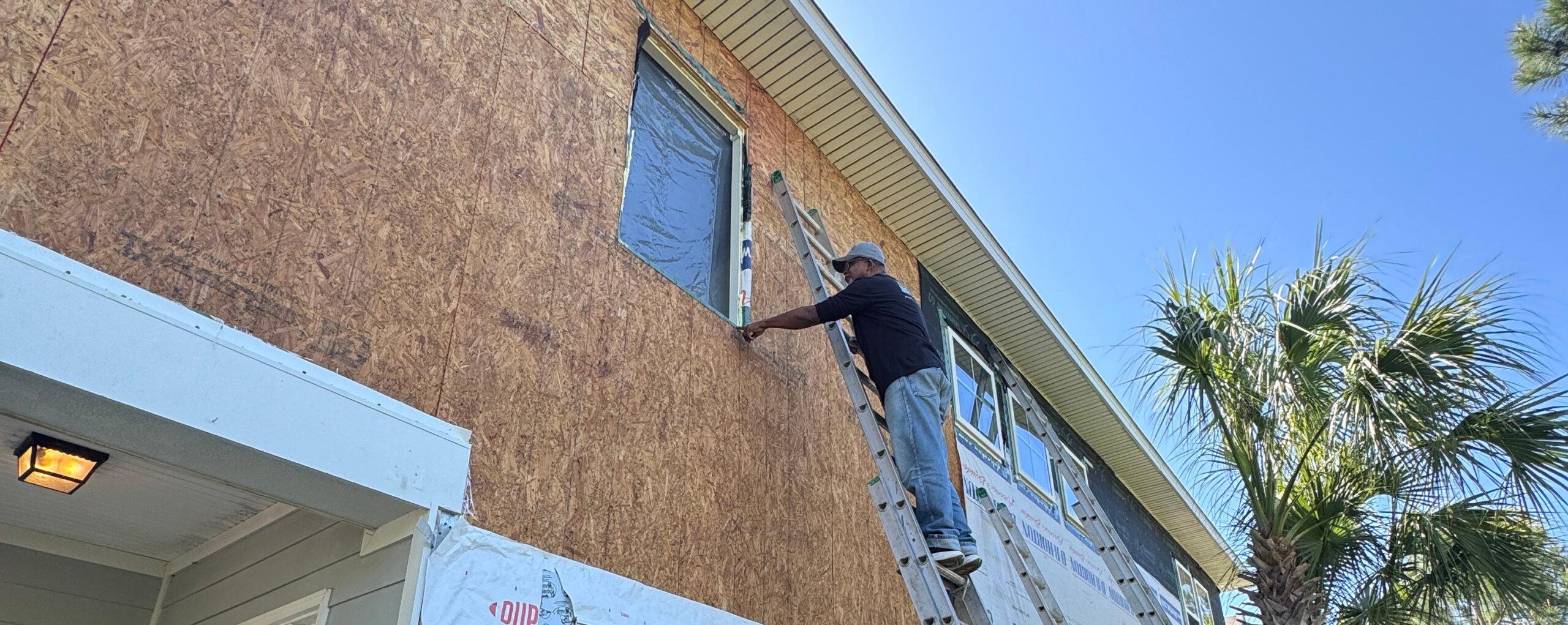
People do.
Budgets do.
Schedules do.
Assumptions definitely do.
But the building envelope rarely lies.
When water enters a building, the envelope tells a story. When air begins moving where it shouldn’t, the envelope tells a story. When materials deteriorate prematurely, when sealants fail, when flashing is installed incorrectly, or when moisture begins affecting interior finishes, the evidence is usually there for anyone willing to look closely enough.
The challenge is that buildings don’t communicate through words. They communicate through symptoms.
A stain on a ceiling might indicate a roofing issue. Or a window issue. Or a waterproofing issue. Or a problem that started somewhere entirely different. Surface-level observations are important, but they rarely tell the whole story.
That’s why building envelope investigations require more than simply finding visible damage. The goal is understanding why the damage occurred in the first place.
Too often, owners end up treating symptoms instead of causes.
A leak gets patched.
The leak returns.
A wall gets repainted.
The staining comes back.
Sealant gets replaced.
The moisture problem continues.
The issue isn’t the repair itself. The issue is that the root cause was never fully identified.
Building failures rarely happen without warning. Most leave clues long before they become major repairs:
The envelope is constantly providing information. The question is whether anyone is paying attention before the problem becomes expensive.
One of the most common misconceptions in our industry is that water intrusion, air leakage, and building envelope failures are maintenance problems. In reality, many of them are investigation problems.
The repair strategy cannot be effective if the diagnosis is incomplete.
That is why testing is often one of the most valuable tools available to owners. Testing removes assumptions. It helps identify actual pathways, actual failures, and actual conditions rather than relying on educated guesses. The result is better decisions, more targeted repairs, and significantly less wasted money.
Good building envelope consulting is not about creating more work.
It is about creating clarity.
Owners need to know:
Without that clarity, decisions become reactive. And reactive decisions are almost always more expensive than proactive ones.
The best time to investigate a building envelope issue is before it becomes urgent. Once water intrusion begins affecting operations, occupants, budgets, or schedules, the number of available options starts shrinking quickly.
At Stone Building Solutions, we help owners understand what their buildings are telling them. Through assessments, testing, engineering, and building envelope consulting, our goal is to identify the cause of problems—not just the symptoms.
Because contractors may disagree.
Reports may conflict.
Opinions may change.
But the building envelope never lies.
"*" indicates required fields