REQUEST A QUOTE
"*" indicates required fields
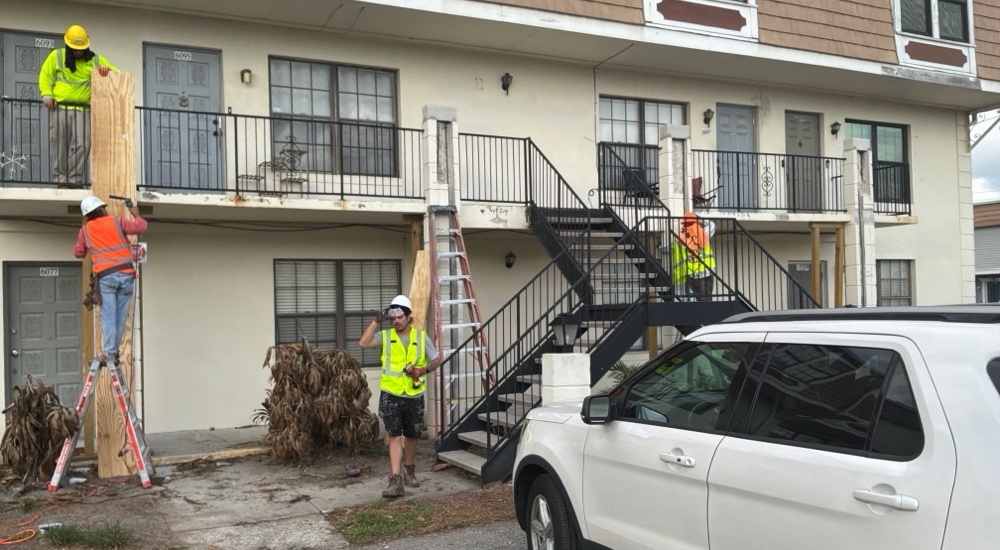
Most building and construction problems are expensive for one reason.
Not because they’re difficult to solve.
Because they’re discovered too late.
A missing flashing detail is usually inexpensive to correct when the wall is still open. A coordination issue is manageable before materials are installed. A design conflict is far easier to address before crews arrive on site.
The problem isn’t the issue itself.
It’s the timing.
By the time many problems are discovered, the project has already moved forward. Work has been completed. Materials have been installed. Schedules have been committed. Suddenly, a relatively simple correction becomes a costly disruption.
The same problem can have two very different price tags depending on when it’s discovered.
This principle applies throughout the lifecycle of a building.
During construction, late discoveries often result in rework, schedule impacts, and change orders. After construction, they can lead to maintenance issues, operational disruptions, and larger repairs that could have been avoided.
That’s why experienced teams spend so much time focused on reviews, inspections, assessments, and coordination.
They’re not looking for problems because they enjoy finding them.
They’re looking for problems while they’re still affordable.
Some of the most common issues that become more expensive over time include:
None of these conditions improve with age.
In most cases, they become more complex, more disruptive, and more expensive the longer they remain unaddressed.
That’s one reason proactive evaluations create so much value. They provide owners and project teams with information while choices still exist.
And choices matter.
Once a problem reaches the emergency stage, the conversation usually shifts from “What’s the best solution?” to “What’s the fastest solution?”
Those are rarely the same thing.
The earlier a problem is identified, the more options you have.
And in construction and building ownership, options are often what save the most money.
"*" indicates required fields