REQUEST A QUOTE
"*" indicates required fields
“80% complete” sounds precise.
It gives the impression that progress is measurable, controlled, and aligned with expectations. On paper, it’s a clean number—easy to understand and even easier to approve.
But construction doesn’t operate on clean numbers.
It operates on what’s actually been installed, verified, and aligned with the design intent. And those things don’t always match what’s being reported.
That’s where risk starts.
Progress billing is built on trust. Contractors report how much of the work they believe is complete, and those numbers are used to release funds and keep the project moving forward.
The issue is not the system itself—it’s the lack of verification behind it.
Because “complete” can mean very different things depending on who you ask.
It might mean:
Those are not the same.
And without verification, they’re often treated as if they are.
There is a consistent gap on construction projects between:
What’s reported… and what’s real.
That gap grows when:
Once work is covered or paid for, the opportunity to correct it becomes limited.
That’s when risk stops being theoretical.
The consequences don’t appear immediately.
They show up later, when systems begin to fail or perform below expectation.
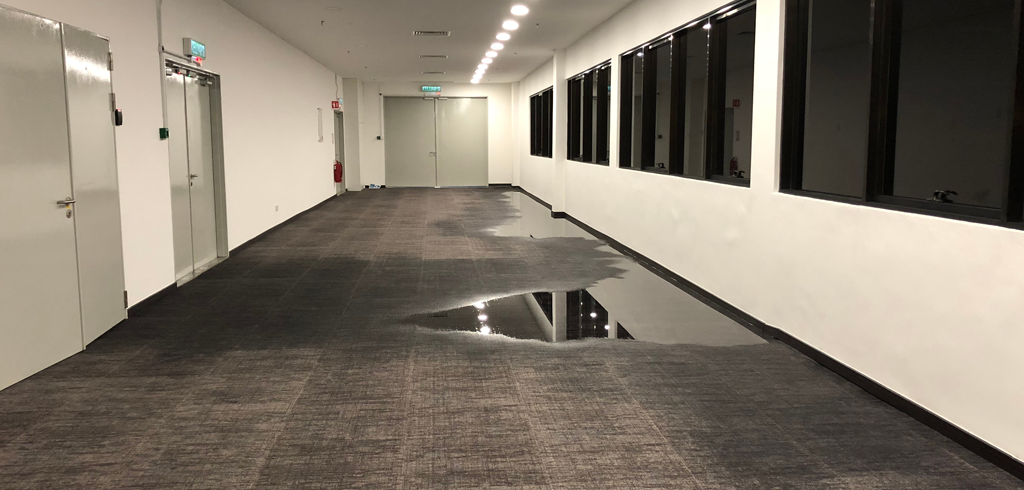
Moisture appears where it shouldn’t.
Components wear faster than they should.
Repairs become necessary far earlier than planned.
At that point, the conversation shifts from progress to responsibility.
Oversight doesn’t track progress.
It validates it.
It answers questions like:
Because once payment is released, the assumption is that the work was correct.
And that assumption becomes difficult to challenge later.
Progress without verification isn’t progress.
It’s exposure.
If your project relies on percentage-based approvals, make sure someone is confirming what’s actually behind them.
"*" indicates required fields