REQUEST A QUOTE
"*" indicates required fields
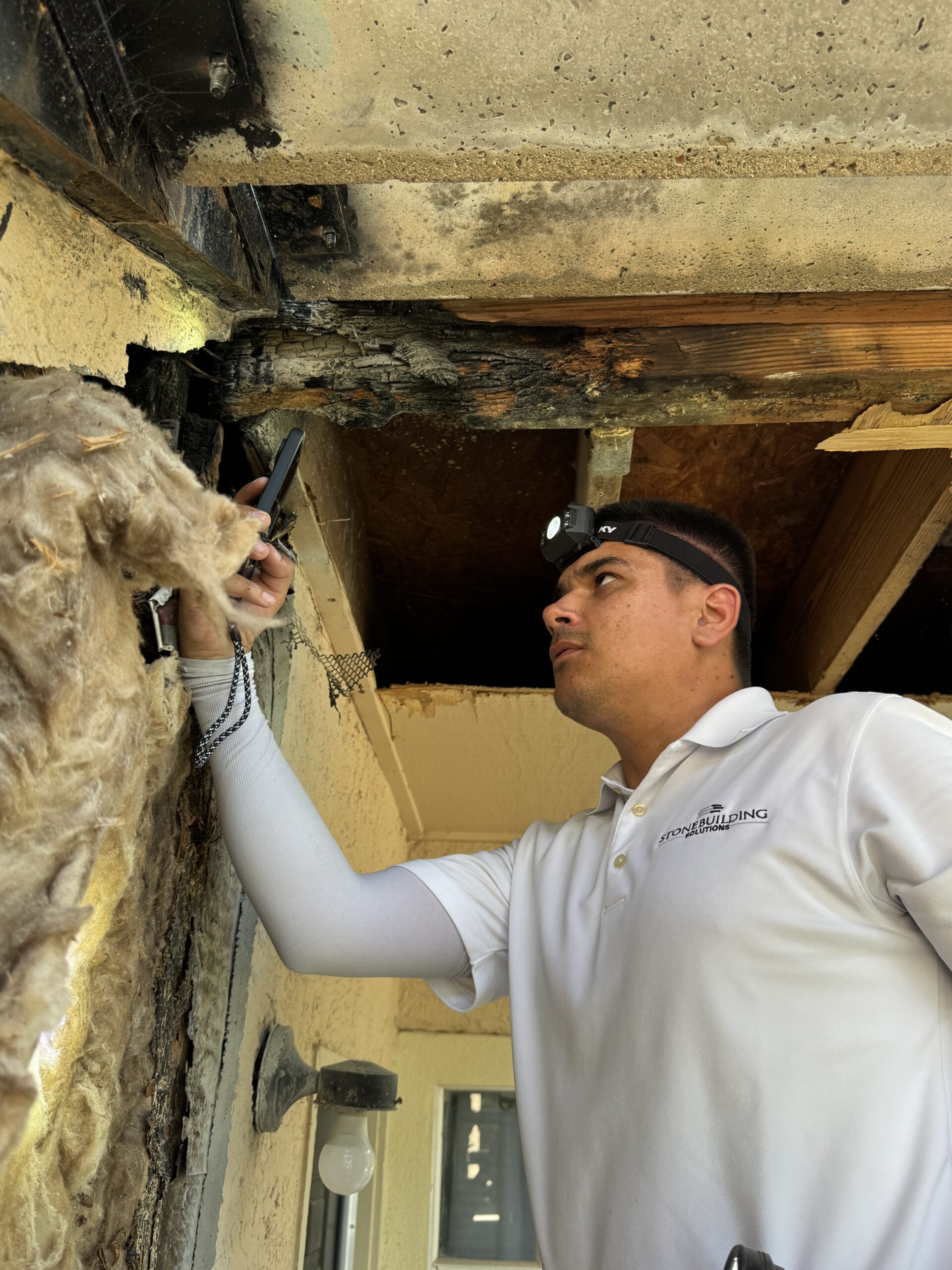
Renovation projects often appear straightforward on paper.
In reality, existing buildings rarely cooperate with assumptions.
Once walls, ceilings, finishes, and building systems are opened, previously hidden conditions frequently become visible. Some are minor. Others can significantly impact project budgets and schedules.
Many renovation challenges begin with incomplete understanding of existing conditions.
Common discoveries include:
These conditions may have existed for years without obvious signs.
Structural evaluations performed before construction begins can significantly reduce uncertainty.
Identifying concerns early allows project teams to:
While unforeseen conditions can never be eliminated entirely, they can often be reduced.
Unlike new construction, renovation projects involve working within existing limitations.
Successful projects recognize that field conditions may require adjustments as information becomes available.
Teams that plan for investigation and verification typically experience fewer surprises than teams that rely solely on original drawings.
The biggest structural risks in renovation projects are often the conditions nobody knew existed.
Identifying those conditions early can save significant time, money, and frustration later.
"*" indicates required fields