REQUEST A QUOTE
"*" indicates required fields
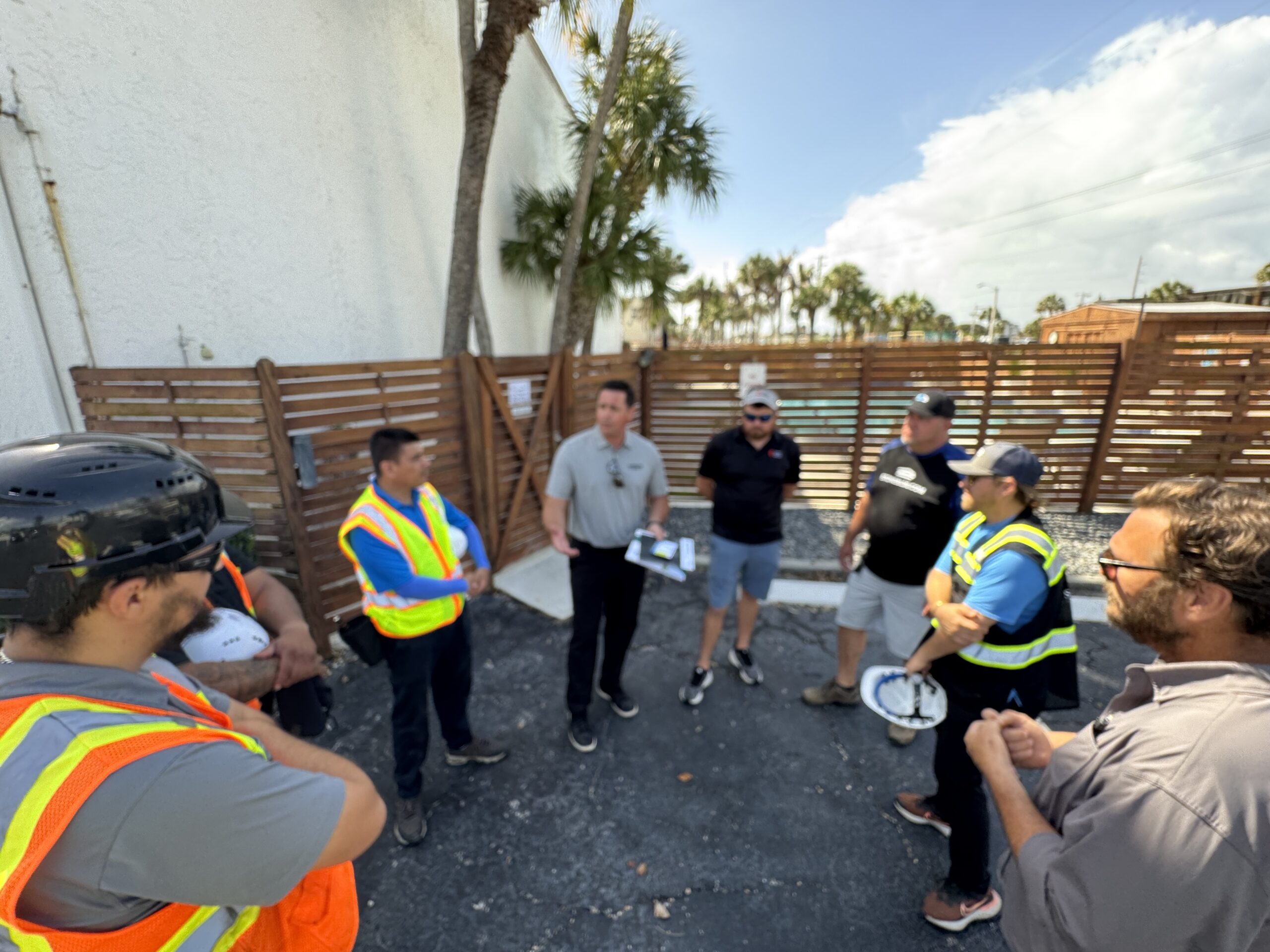
Most construction projects begin with discussions about budget, schedule, and scope.
How much will it cost? How long will it take? What exactly are we building?
Those are all important questions, but they’re usually not the most important question.
Before design begins, before contractors are interviewed, and before a single permit application is submitted, owners should answer one simple question:
What does success actually look like?
It sounds obvious, but many projects move into design and construction without a clear definition of success beyond staying on budget and finishing on time. While those goals matter, they rarely tell the full story.
For one owner, success may mean creating a building that minimizes future maintenance costs. For another, it may mean maximizing flexibility for future tenants. A developer may prioritize speed to market, while a healthcare system may focus on operational reliability. Each project has different priorities, and those priorities influence decisions throughout the entire process.
Problems often arise when project teams assume everyone shares the same definition of success.
They usually don’t.
An architect may prioritize design intent. A contractor may focus on constructability and schedule. Financial stakeholders may focus on budget performance. None of those perspectives are wrong, but they aren’t necessarily aligned unless the owner clearly establishes project goals from the beginning.
The best projects don’t happen because everyone agrees on every decision. They happen because everyone understands the objective.
Once success is clearly defined, decision-making becomes much easier. Teams can evaluate tradeoffs more effectively, resolve conflicts faster, and keep the project moving in the right direction. Without that alignment, even a technically successful project can leave owners disappointed because the final result failed to achieve what mattered most.
Construction projects involve thousands of decisions.
The most important one may be defining success before any of the others are made.
"*" indicates required fields