REQUEST A QUOTE
"*" indicates required fields
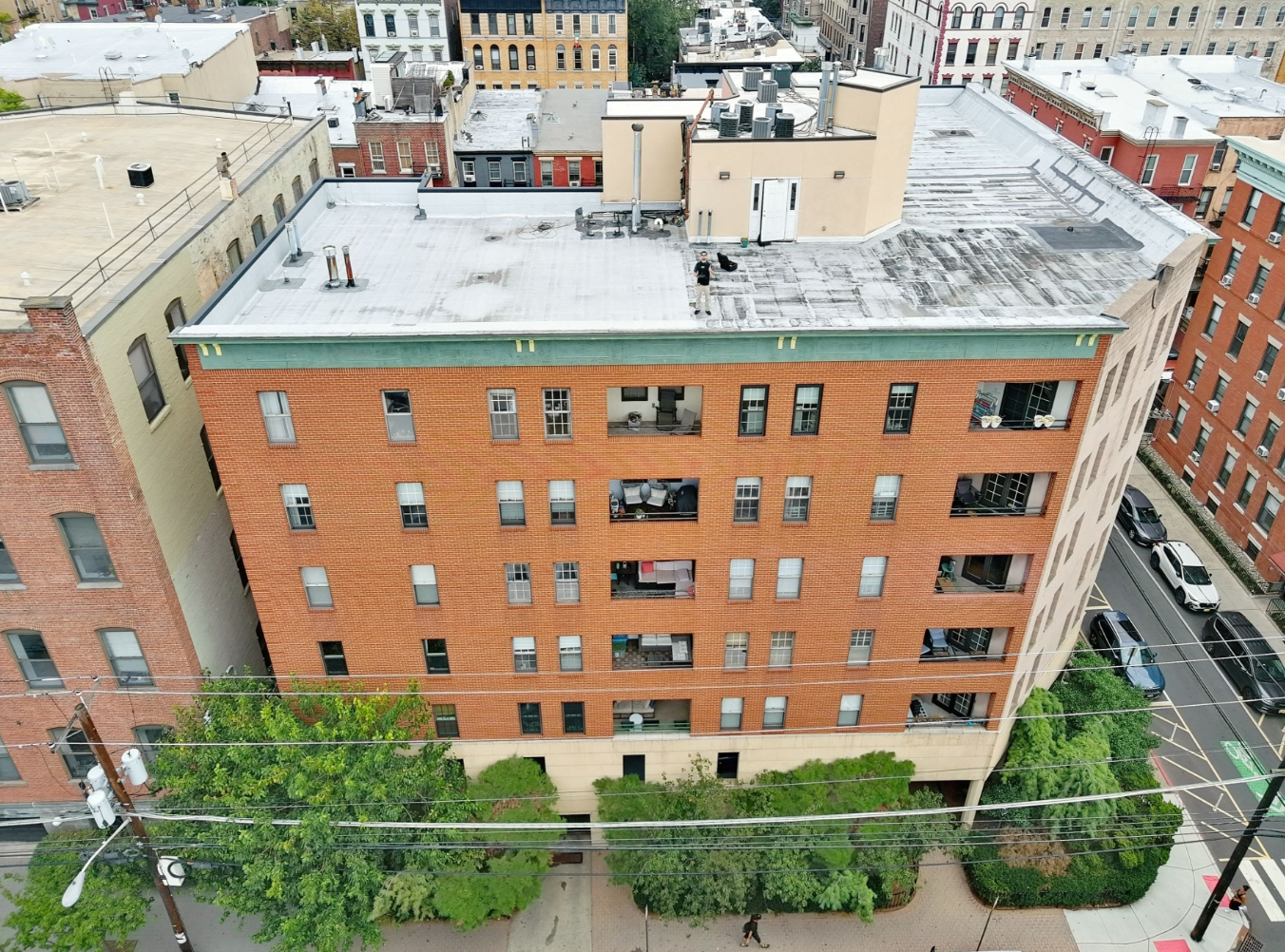
One of the biggest misconceptions in construction and building ownership is that serious problems are always obvious.
They aren’t.
In fact, some of the projects that concern us the most initially look perfectly normal.
The roof isn’t leaking. The walls look fine. Occupants aren’t complaining. Everything appears to be working as intended.
From the outside, there’s no reason to believe anything is wrong.
That’s exactly what makes these situations challenging.
Many building issues develop quietly. Water intrusion can remain hidden inside assemblies for years. Corrosion often progresses out of sight. Structural concerns may reveal themselves gradually through small changes that are easy to overlook.
By the time visible symptoms appear, the underlying issue may have been developing for a long time.
The absence of evidence is not always evidence of absence.
This doesn’t mean owners should assume every building has a hidden problem.
It means building performance should be evaluated based on facts, not assumptions.
Some of the conditions that deserve a closer look include:
None of these automatically indicate a major problem.
They are simply signals.
And good owners pay attention to signals.
One of the advantages of proactive assessments is that they allow teams to identify trends before those trends become emergencies. Instead of reacting to failure, owners can make informed decisions based on actual conditions.
That creates options.
And options are valuable.
Emergency repairs are expensive. Planned repairs are usually not.
The best time to investigate a building issue is when you’re not forced to.
Waiting until a problem becomes obvious often means waiting until it becomes more disruptive, more expensive, and more difficult to address.
The projects that worry us most aren’t always the ones with visible damage.
They’re the ones operating on assumptions.
"*" indicates required fields