REQUEST A QUOTE
"*" indicates required fields
Buildings rarely fail without warning.
The challenge is that most of those warnings don’t look like emergencies.
A small crack near a window. A recurring leak after heavy rain. Rust staining on an exterior wall. A section of sealant that seems to need constant attention. On their own, these conditions may appear minor. Together, they can tell an important story about how a building is performing.
Experienced consultants learn to look for patterns instead of isolated defects.
That’s because individual symptoms don’t always reveal the underlying issue. A repaired ceiling stain may point to a building envelope concern. Repeated sealant repairs may suggest movement that needs further evaluation. Even subtle changes over time can provide valuable insight into the health of a structure.
Buildings are constantly communicating. The question is whether anyone is listening.
One of the biggest misconceptions in our industry is that failures happen suddenly. While some do, many building problems develop gradually over months or even years. The visible damage is often just the point where the issue becomes impossible to ignore.
That’s why proactive evaluations are so valuable. They help owners understand what a building is saying before a minor concern becomes a major repair.
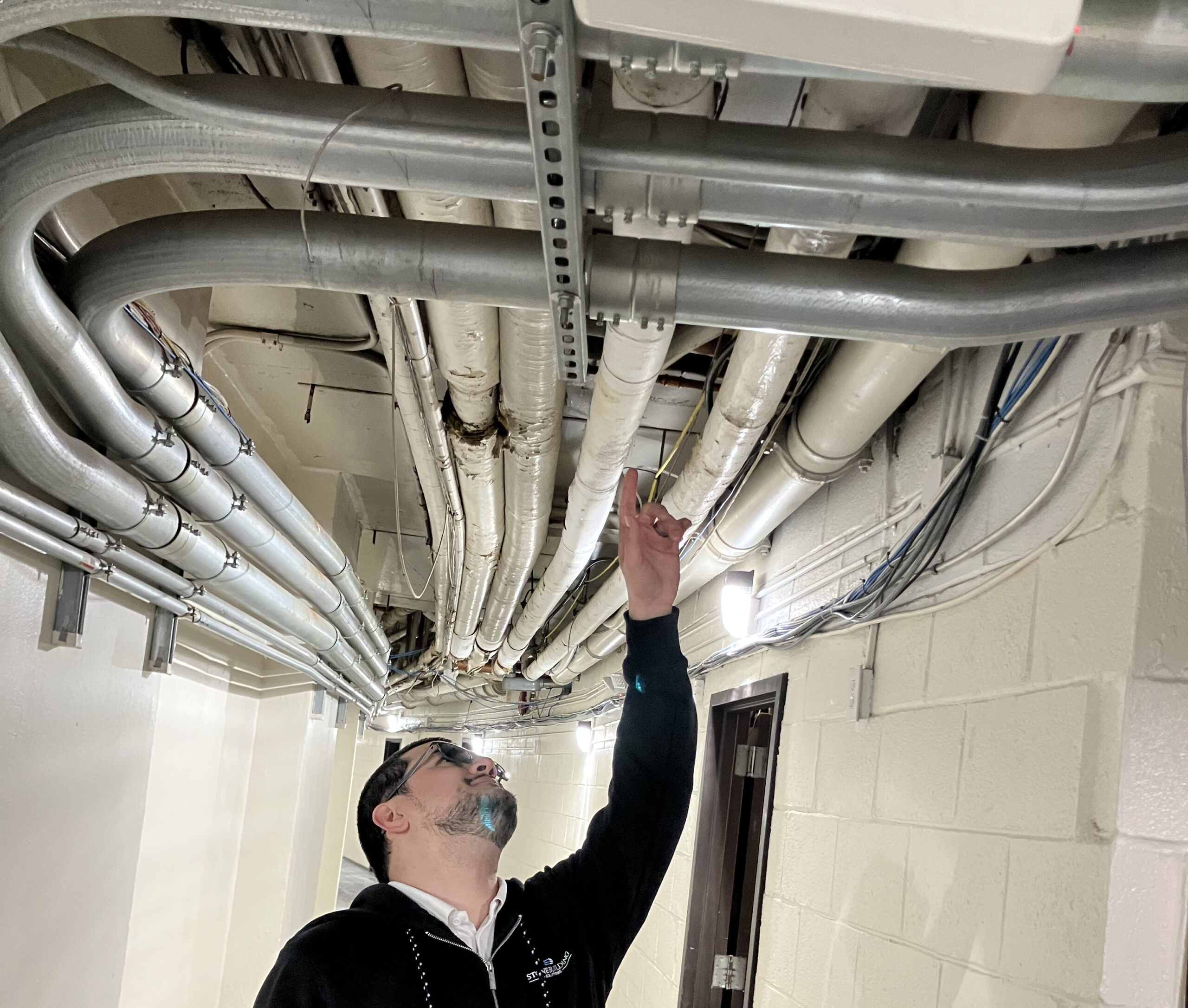
When we walk through a property, we’re not simply documenting what’s damaged.
We’re looking for patterns.
We’re looking at previous repairs.
We’re looking at transitions between building systems.
We’re looking for the clues that explain why something happened—not just what happened.
That perspective often changes the entire conversation.
The goal isn’t just finding problems. It’s understanding the story the building is telling before the ending gets expensive.
"*" indicates required fields