REQUEST A QUOTE
"*" indicates required fields
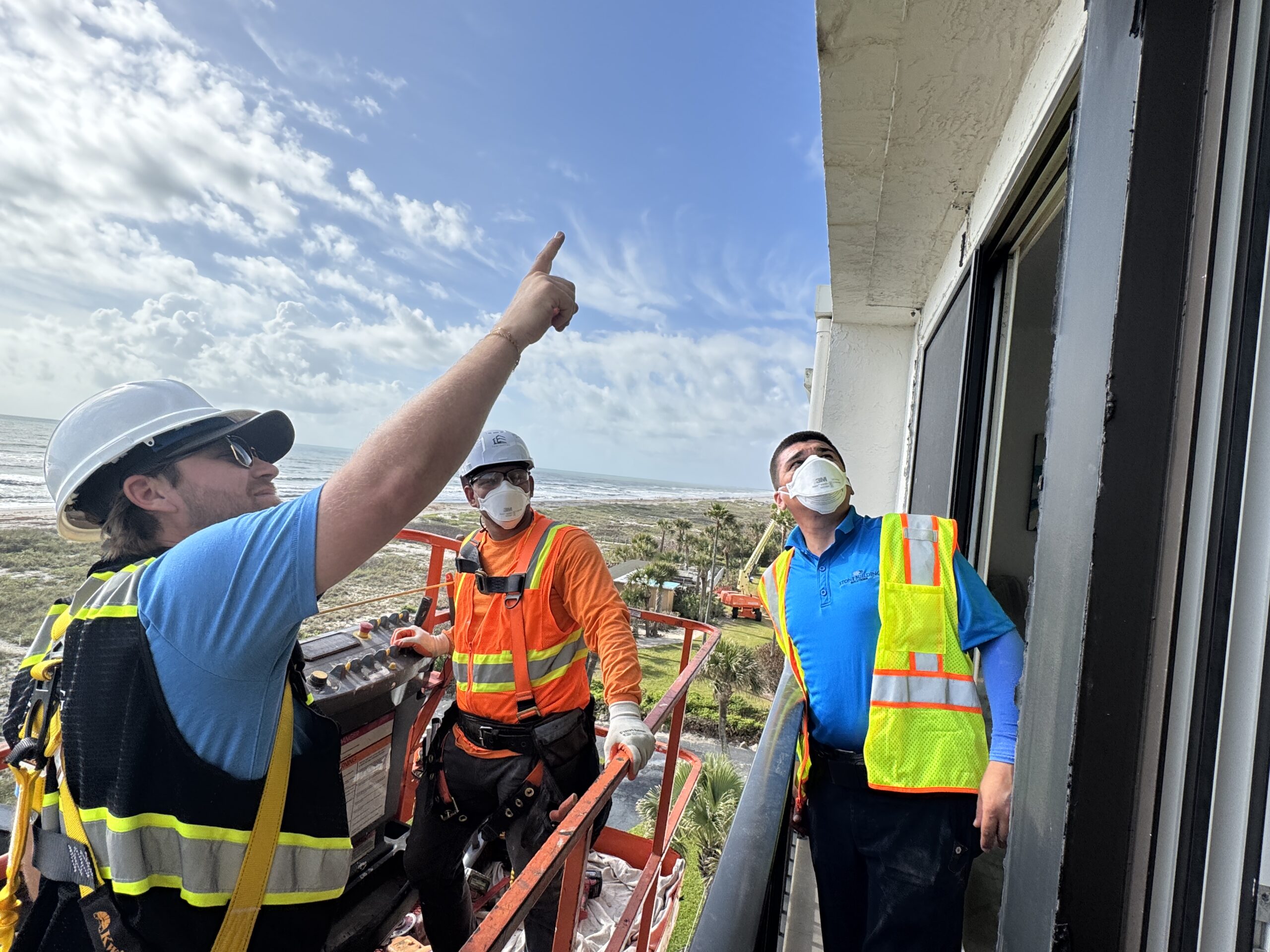
Every project eventually encounters a problem.
That’s normal.
The issue might be a design conflict, a schedule concern, a procurement delay, or an unexpected field condition. The specific challenge doesn’t matter nearly as much as what happens next.
The projects that struggle most aren’t always dealing with the biggest problems.
They’re dealing with problems that nobody owns.
At first, it can be difficult to spot. Everyone acknowledges the issue exists. It gets discussed in meetings. It appears on action item lists. Emails are exchanged. Updates are requested.
Yet somehow, nothing actually happens.
The problem remains.
A problem discussed by everyone is often owned by no one.
This is where projects can quietly lose momentum.
The contractor believes the design team needs to respond. The design team is waiting for information from another consultant. The owner assumes the project team is handling it. Everyone is involved, but nobody is accountable.
Days turn into weeks.
Then the issue starts affecting other parts of the project.
What could have been a small challenge becomes a schedule impact, a budget concern, or a source of frustration for the entire team.
That’s why effective project management places such a strong emphasis on accountability. Not because every issue needs a single person to solve it, but because every issue needs someone responsible for driving it toward resolution.
Strong project teams make ownership clear.
They identify:
Simple doesn’t mean easy.
But it does create progress.
One of the easiest ways to evaluate project health is to look at unresolved issues. Not how many exist, but whether someone clearly owns each one.
Because once ownership becomes unclear, resolution usually slows down.
And projects rarely suffer from a lack of discussion.
They suffer from a lack of action.
The fastest way to solve a problem is making sure everyone knows whose problem it is.
That’s not about assigning blame.
It’s about creating accountability before accountability becomes necessary.
"*" indicates required fields