
What Is Fenestration Testing And Why It Matters
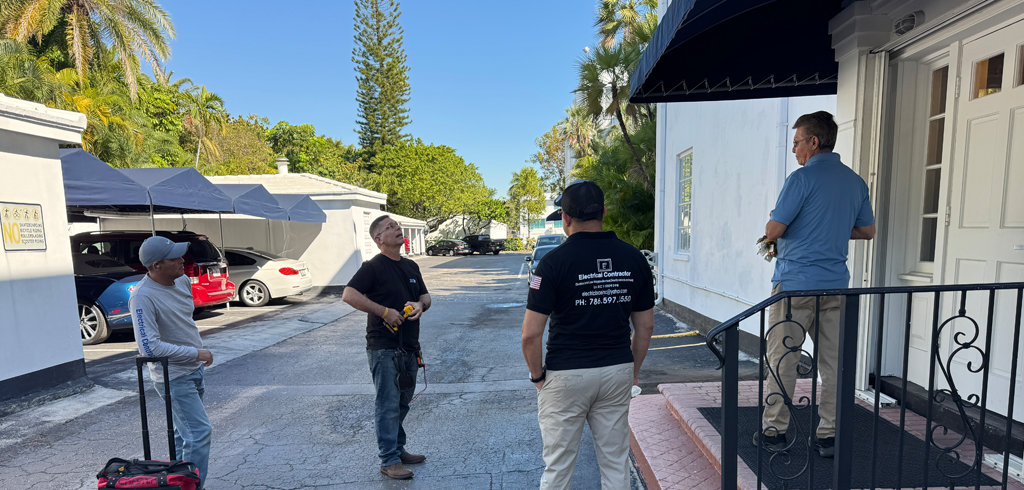
Fenestration is a technical term, but the concept is familiar to anyone who has lived or worked in a building. It refers to openings in the building envelope and the systems that fill them, including windows, exterior doors, skylights, storefronts, and curtain walls.
These components face constant exposure to wind, rain, pressure changes, and daily use. As a result, they are often involved when buildings experience leaks, drafts, condensation, or unwanted noise.
Fenestration testing is the proof step. It moves performance from “it should work” to “here is how it performs under measured conditions.”
Understanding Fenestration Testing
Fenestration testing involves evaluating the performance of windows, doors, and related envelope assemblies against environmental forces such as wind-driven rain, air infiltration, and structural pressure. Depending on project requirements and system type, testing may also examine thermal and acoustic performance.
The results are used to confirm alignment with project specifications and applicable standards. They also help identify weaknesses that may require design refinement, fabrication adjustment, or installation correction before issues become widespread.
What Gets Tested and How Performance Is Evaluated
Air Leakage Testing
Air leakage testing measures the amount of air that passes through an assembly under pressure. Excessive leakage contributes to drafts, occupant discomfort, increased HVAC demand, and moisture problems when warm air contacts cooler surfaces.
Water Penetration Resistance
Water penetration resistance testing simulates rainfall combined with pressure to determine whether water crosses the plane of the assembly. Many investigations reveal that a reported window leak is actually related to flashing, sealants, or installation sequencing rather than the window unit itself.
Structural Performance Under Load
Structural performance testing applies positive and negative pressures to replicate wind loads. These tests measure deflection and system response to confirm that assemblies can resist design pressures without permanent deformation, damage, or loss of function.
Why It Matters to Owners and Project Teams
Failures involving fenestration systems tend to escalate quickly. A small leak can lead to saturated insulation, interior finish damage, mold concerns, occupant complaints, and disputes between trades. Fenestration testing introduces objective data that helps isolate root causes and guide corrective action more efficiently.
For owners, the long-term benefits are significant. Well-performing fenestration supports energy efficiency goals, improves interior comfort, and reduces disputes related to whether issues stem from product performance or installation conditions.
Lab Testing vs Field Testing
Lab testing is typically used for product certification, design validation, and manufacturer performance ratings before units ever reach a jobsite.
Field testing evaluates fenestration testing in the installed condition. This approach often reveals issues related to flashing integration, anchorage, shimming, sealant continuity, sequencing, or substrate conditions. While both approaches are valuable, field testing reflects how systems perform in real buildings.
When Fenestration Testing Is Worth the Spend
Testing is particularly valuable for buildings with high exposure, complex facade geometry, recurring leakage complaints, or new systems without an established performance history on similar projects. It also becomes important when dispute risk increases, since documented testing results tend to clarify responsibility and narrow repair scope.
A short practical trigger list:
- Recurring leaks near windows or curtain wall joints.
- Widespread drafts or whistling during wind events.
The Broader Perspective
Fenestration is where architectural intent meets physical forces. Fenestration testing provides a structured way to manage that interaction. When performance is measured, decisions become clearer, repairs become more targeted, and buildings remain dry and comfortable for longer periods.
Test the Leak, Not the Patience
When windows or curtain walls leak, guessing wastes time and money. At Stone Building Solutions, we help Florida and New Jersey owners and boards get clarity through building-envelope evaluation and diagnostic investigation, including testing that proves where water is entering and why.
From there, our team can support repair specifications and construction monitoring, keeping fixes aligned with real findings instead of trial-and-error patches.
If your property has recurring water intrusion around openings, book a consult and turn those symptoms into a documented action plan.