
Why Fenestration Matters In Commercial Building Performance
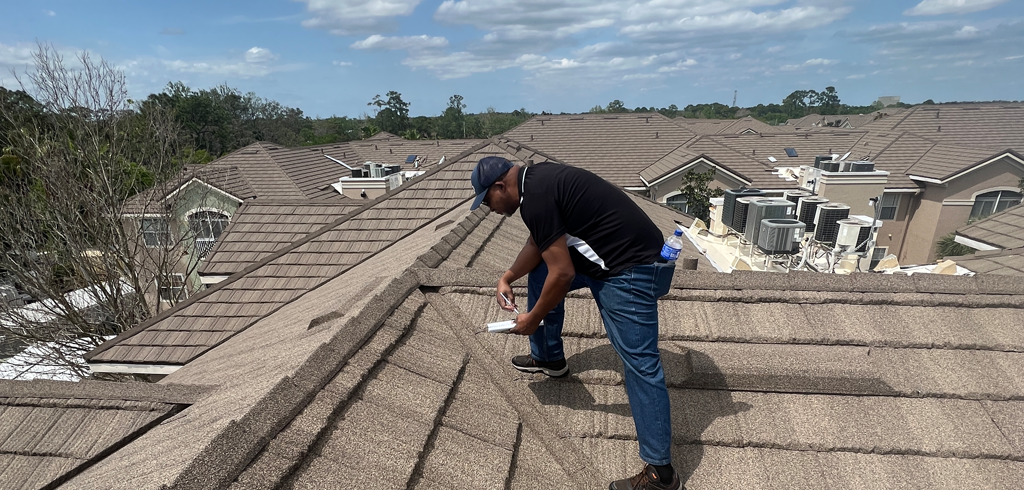
The design and placement of building fenestration play a major part in determining how commercial properties function, perform, and age. Windows, curtain walls, skylights, and other openings affect daylighting, thermal performance, airflow, and occupant comfort.
Proper attention to fenestration can reduce energy use, improve indoor conditions, and protect building components from long-term deterioration. Recognizing its importance helps owners and managers maintain operational efficiency while avoiding unforeseen costs and challenges that may appear as buildings age or experience environmental stress.
Energy Efficiency and Thermal Management
Fenestration directly influences how heat enters and leaves a building. Poorly chosen glazing, improperly sealed frames, or incorrectly positioned windows can create energy inefficiencies. Hot and cold spots increase heating, cooling, and ventilation demands. Glare or excessive solar gain can reduce occupant comfort while forcing reliance on artificial climate control.
Evaluating window placement and thermal performance allows engineers to identify and correct potential inefficiencies early, which supports lower operating costs, reduces strain on mechanical systems, and preserves long-term energy performance.
Occupant Comfort and Daylighting
Windows and glazing also affect natural light, visibility, and overall comfort. Balanced fenestration allows daylight to illuminate workspaces without causing glare or hot spots. Operable windows and shading devices influence airflow and help regulate indoor climate.
Important commercial inspection points often include the condition of seals, operability of openings, and alignment of frames with surrounding structural elements.
Proper fenestration design supports occupant productivity, health, and satisfaction while also contributing to safety and emergency egress planning. Even minor misalignment or clouded glazing can change light distribution and create unexpected discomfort in occupied areas.
Material Behavior and Longevity
Materials used in fenestration assemblies respond differently to environmental stresses. Aluminum, steel, wood, and glass each expand, contract, and age at unique rates. Sealants can dry or lose adhesion, frames may warp, and adjacent masonry or cladding may shift, placing stress on glazing systems.
Observing how these materials interact allows engineers to detect emerging issues before they escalate into costly repairs or compromise overall building performance. Repeated exposure to sun, wind, and rain accelerates deterioration. This makes early observation essential for long-term maintenance planning.
Structural Integration and Building Envelope Performance
Fenestration is an integral part of the building envelope, influencing how the exterior resists water, air, and structural movement. Misalignment, damaged seals, or improperly supported frames can create localized stress points that lead to leaks, condensation, and material degradation.
Periodic evaluation, including consideration of the cost of a commercial building inspection, helps project teams identify risks and plan maintenance or corrective work before minor issues expand into considerable damage.
Observing interactions between the envelope and fenestration also gives insight into how thermal or moisture movement might affect interior finishes and adjacent components.
Stone Building Solutions’ Approach to Fenestration
At Stone Building Solutions, we study building fenestration as engineers observe how openings interact with structural systems and materials over time. We focus on documenting movement, stress patterns, and material performance while structures are in use or under construction.
Our observations capture how fenestration affects energy efficiency, occupant comfort, and durability. By identifying trends and patterns early, we help teams plan informed interventions before problems propagate or become more costly to deal with.
Our approach emphasizes detailed field notes, photographs, and clear technical reporting. These records allow building stakeholders realize how fenestration performs in real-world conditions.
If you would like to discuss how fenestration impacts your property’s performance or schedule an engineering observation, please feel free to get in touch with Stone Building Solutions today.