REQUEST A QUOTE
"*" indicates required fields
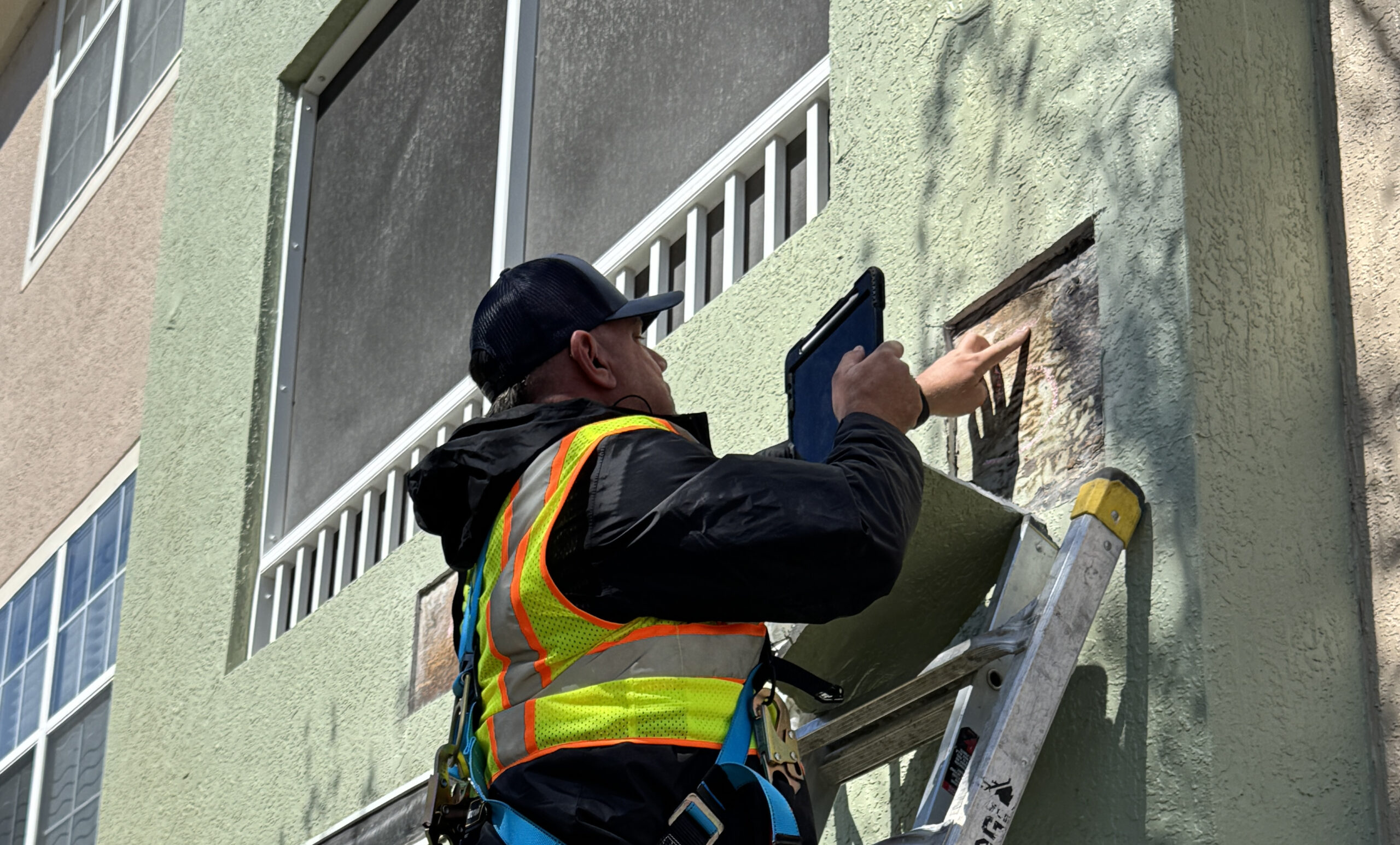
One of the most common questions owners ask is:
“If this was a problem, why didn’t we see it sooner?”
It’s a fair question.
Most people assume building failures happen suddenly. A roof leaks. A crack appears. Water staining shows up on the ceiling. From the owner’s perspective, the issue seems new.
In reality, many building problems have been developing quietly for years.
Water intrusion is a perfect example. A small gap in a building envelope system may allow moisture into a wall assembly long before visible damage appears inside the building. The materials behind the scenes absorb the impact until they can’t anymore.
Then one day, a stain appears.
The stain feels like the beginning of the problem.
Often, it’s one of the final chapters.
Visible damage is frequently the last symptom to appear—not the first.
The same principle applies to many building systems. Corrosion develops gradually. Sealants deteriorate over time. Structural movement can occur so slowly that occupants never notice it until a crack becomes impossible to ignore.
These issues rarely announce themselves.
They accumulate.
That’s one reason proactive assessments provide so much value. Evaluations allow owners to identify conditions before they become disruptive, expensive, or difficult to repair.
Some of the most common long-term issues we encounter include:
None of these conditions typically start as major problems.
They become major problems when they’re allowed to continue unchecked.
Buildings rarely wake up one morning and decide to fail.
Most failures leave clues long before they become emergencies. The challenge is recognizing those clues while there is still time to act.
Owners often focus on the cost of an assessment.
What they should be evaluating is the cost of not knowing.
"*" indicates required fields