
Why You Need A Building Construction Budget For Every Project
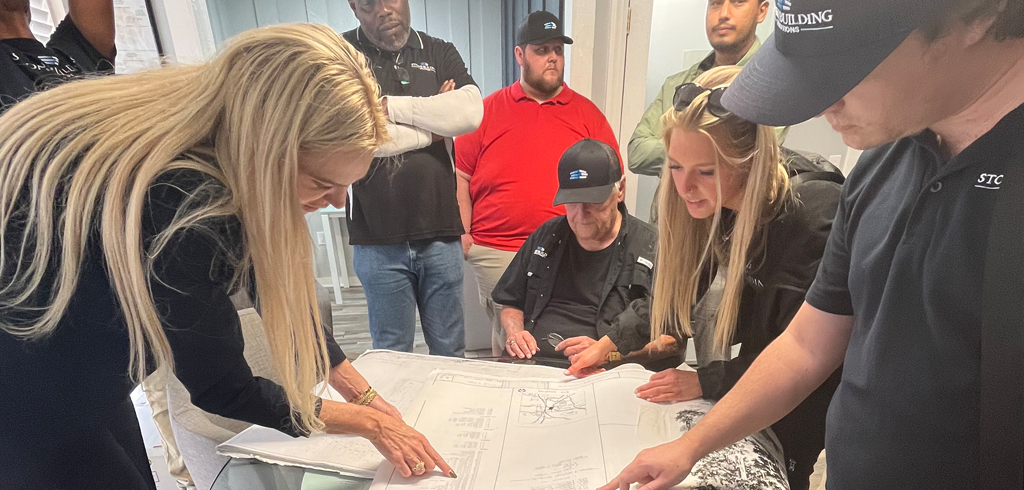
A building construction budget is one of the most important planning tools for any project. It outlines projected costs for materials, labor, permits, and engineering assessments before construction begins.
Developing a clear budget helps project owners anticipate expenses, allocate resources wisely, and reduce the likelihood of unexpected financial pressures. This planning step is crucial for maintaining control over project scope, quality, and timeline.
Planning Ahead to Control Costs
A well-prepared building construction budget establishes a framework for decision-making. It defines spending limits for materials, subcontractors, and additional services.
Projects without budgets are more likely to encounter over-budget construction projects, which can delay timelines, create conflicts, and increase stress for stakeholders. A budget acts as a roadmap for managing costs and prioritizing spending throughout every phase of construction.
Components of a Construction Budget
Developing a detailed budget requires accounting for all potential expenses. Material costs, labor rates, equipment rental, permits, and inspections are standard line items. Costs for engineering services, design reviews, and unforeseen contingencies should also be included.
Itemizing expenses gives project managers a realistic picture of financial needs and helps avoid surprises during construction. Clear documentation also improves transparency and communication among contractors, engineers, and property owners.
Construction Monitoring
A building construction budget plays a big part in construction monitoring. Comparing actual expenses to the planned budget allows project managers to track performance, identify discrepancies, and address issues before they escalate.
Continuous monitoring supports timely adjustments, such as reallocating funds, modifying schedules, or making design decisions that remain in line with the budget. This practice reduces the likelihood of financial mismanagement and keeps the project aligned with its original goals.
Avoiding Over-Budget Construction Projects
Careful budgeting is one of the most effective ways to avoid over-budget construction projects. Projects often exceed costs due to unplanned material price increases, design changes, or miscommunication between teams.
A clear budget anticipates potential variances and creates a financial buffer. It also sets clear expectations for contractors and engineers, promoting disciplined spending and preventing unnecessary cost overruns.
Long-Term Benefits
A thoughtfully created building construction budget benefits both current and future projects. Maintaining accurate records of expenses and deviations from the original budget helps property owners and engineers plan more effectively for future construction or renovations.
Proper budgeting contributes to better project outcomes, including timely completion, quality results, and reduced stress for everyone involved.
Stone Building Solutions Perspective
Stone Building Solutions supports clients by observing construction projects and reviewing building construction budgets for accuracy and feasibility. Our team evaluates engineering reports and monitors construction progress to interpret spending patterns. Reviewing budgets alongside project performance helps stakeholders anticipate issues, assess cost impacts, and make informed decisions. We focus on clarity and precision in every assessment.
Our observations allow project owners and contractors to manage costs effectively, prioritize essential tasks, and keep projects on track. We translate technical and financial information into actionable guidance so clients can maintain control over every aspect of a construction project.
If you have questions about creating or interpreting a building construction budget, please
reach out to Stone Building Solutions to learn how we can help monitor costs and support efficient project management.