REQUEST A QUOTE
"*" indicates required fields
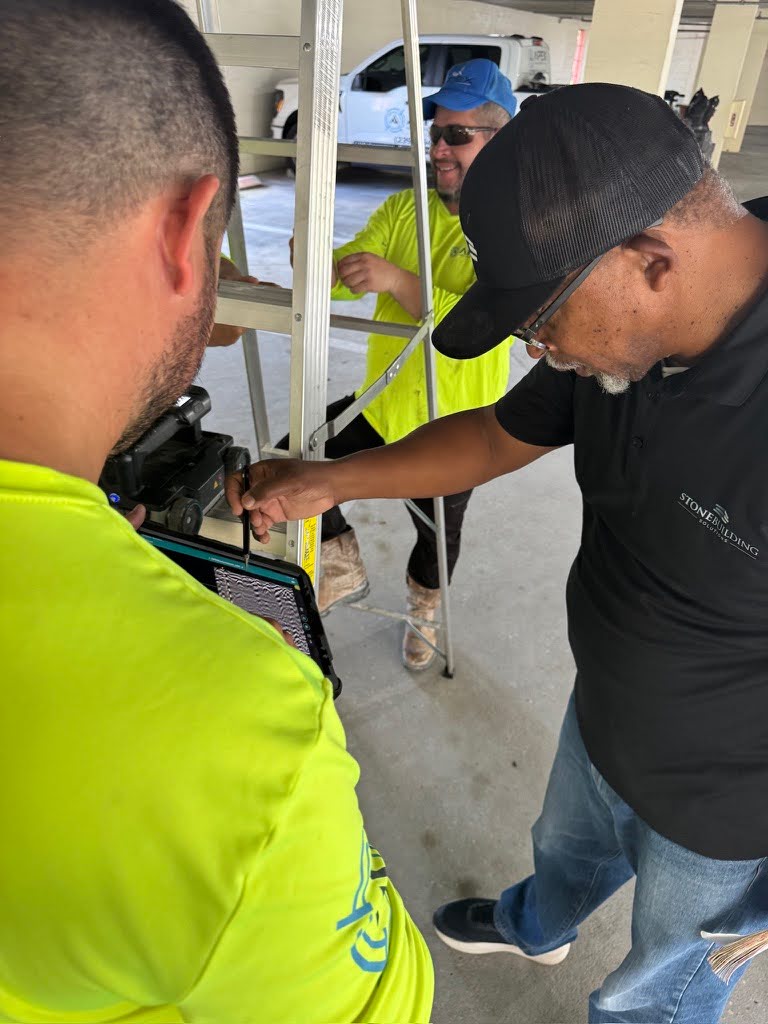
Every construction project includes architects, engineers, contractors, subcontractors, suppliers, and inspectors.
Despite the number of professionals involved, building owners often assume someone is independently evaluating whether the project is truly serving their interests.
In many cases, that assumption is incorrect.
Every participant plays an important role, but each also operates within a specific scope of responsibility. Contractors focus on construction. Designers focus on design intent. Inspectors focus on code compliance.
Owners, however, must consider the complete picture.
Owners are responsible for:
These concerns often extend far beyond substantial completion.
An issue that appears minor during construction may become a recurring maintenance problem for years to come.
Independent project oversight helps owners identify concerns before they become permanent conditions.
This can include:
The goal is not to replace the contractor or design team.
The goal is to provide owners with additional information to support informed decisions.
Construction projects involve thousands of decisions.
Independent oversight helps ensure those decisions align with the owner’s long-term interests, not simply the project’s short-term objectives.
"*" indicates required fields