REQUEST A QUOTE
"*" indicates required fields
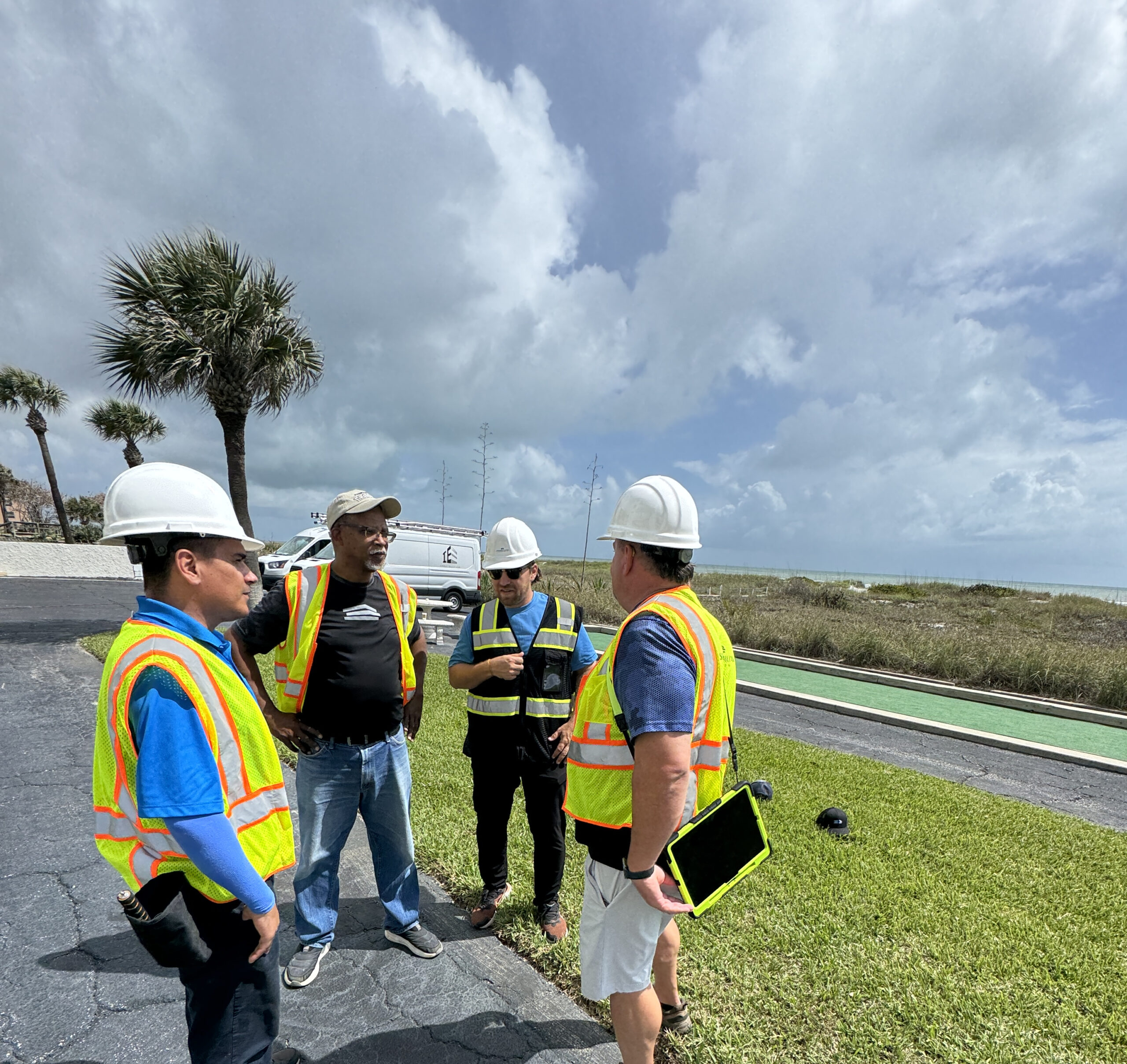
Construction projects are full of decisions.
Some are major. Others seem insignificant at the time. A material substitution. A schedule adjustment. A response to an RFI. A clarification during a coordination meeting.
Individually, these decisions may only take a few minutes to make.
Collectively, they determine whether a project moves forward smoothly or slowly drifts into confusion.
One of the most common issues we see on projects isn’t poor design, poor construction, or poor planning.
It’s unclear authority.
When project teams don’t know who has the ability to make decisions, progress stalls. Questions remain unanswered. Meetings end without resolution. Teams begin operating on assumptions because waiting for direction feels more expensive than moving forward.
Unfortunately, assumptions have a way of becoming change orders.
Projects rarely stop because nobody knows what to do. They stop because nobody knows who gets to decide.
This challenge becomes even more pronounced as projects grow in size. Owners, architects, engineers, contractors, consultants, lenders, and stakeholders may all have valid input. The problem is that input and authority are not the same thing.
Successful projects establish decision-making structures early.
Everyone understands:
This doesn’t eliminate disagreements.
It eliminates uncertainty.
When teams understand the decision-making process, they spend less time navigating internal confusion and more time solving actual project challenges.
The opposite is also true.
We’ve seen projects lose weeks because approvals were delayed. We’ve seen contractors receive conflicting direction from multiple stakeholders. We’ve seen important issues circulate through meetings for months because nobody was willing to make a final call.
Most of these situations weren’t technical failures.
They were leadership failures.
Construction moves at the speed of decisions.
The projects that perform best are not always the projects with the biggest budgets or the most experienced teams. Often, they’re the projects where everyone understands exactly who is responsible for making the next decision.
The best project teams don’t avoid difficult decisions.
They make them clearly, quickly, and with accountability.
"*" indicates required fields