REQUEST A QUOTE
"*" indicates required fields
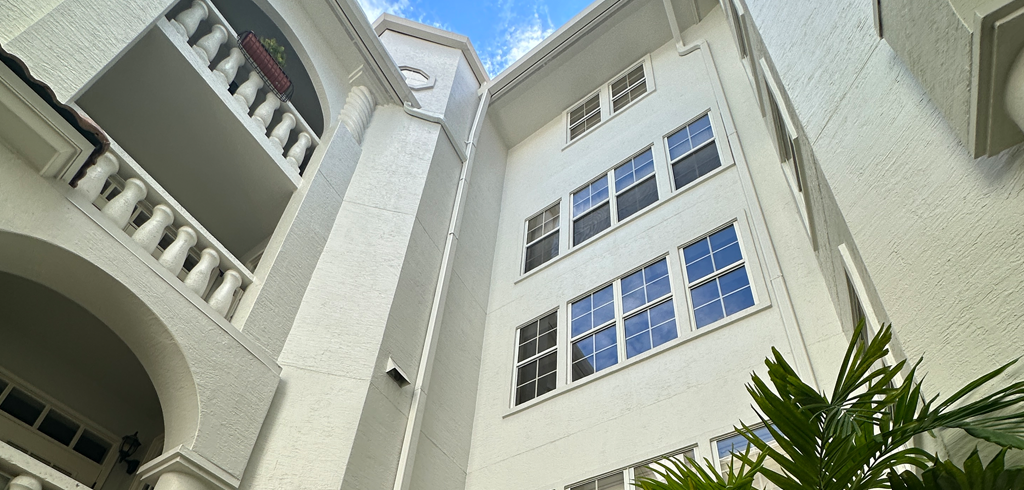
Project budgets are often shaped long before construction begins, yet some decisions still get deferred until later phases. Window and opening choices tend to fall into that category, even though they affect structure, energy use, and long-term performance.
Giving early attention to fenestration design creates better cost control while options remain flexible. It also limits unexpected issues that surface after drawings are finalized. Understanding this connection helps owners and associations plan projects with clearer expectations and fewer financial corrections tied to impact window installation.
Fenestration systems interact with several building components that affect costs early in a project. Window size and placement influence structural framing, load transfer, and support requirements. These choices also affect mechanical system sizing because heat gain and loss alter interior demand.
Waterproofing details and material compatibility depend on opening geometry and assembly selection. Treating fenestration as a late finish decision often triggers revisions across multiple disciplines, increasing design time and construction expense.
Earlier coordination during planning helps impact window installation strategies align with structural and system requirements while financial flexibility still remains.
Addressing fenestration during early design stages allows project teams to compare options before drawings lock costs in place.
Glass type, opening proportions, and orientation can be reviewed alongside structural and mechanical systems. This timing supports more accurate budgeting and reduces last-minute substitutions that drive pricing higher.
Contractors can price work more efficiently when details are coordinated early. Projects that delay these discussions often encounter change orders, schedule extensions, and administrative costs. Early coordination also supports informed impact window installation decisions and reduces reactive choices made under schedule pressure.
Fenestration systems are required to meet specific performance standards connected to energy codes and life safety regulations.
Design revisions made late in the process can create compliance gaps that lead to redesign work or on-site corrections. Reviewing requirements while documents remain flexible allows performance criteria to be integrated more effectively. This approach shortens approval timelines and reduces risk related to documentation conflicts.
Owners benefit from greater confidence when regulatory alignment is addressed ahead of construction and inspection deadlines. Thoughtful planning also supports smoother coordination among designers, reviewers, and contractors throughout both preconstruction and execution phases.
Fenestration systems must satisfy defined performance requirements connected to energy codes and life safety standards. Changes introduced late in the design or construction process can create compliance gaps that trigger redesign work or on-site corrections.
Addressing performance criteria while documents remain flexible supports smoother integration across disciplines. This method shortens approval timelines and reduces exposure related to documentation conflicts. Owners gain confidence when regulatory alignment is handled proactively rather than under the pressure of construction schedules and inspection deadlines.
Clear documentation and advanced coordination support more consistent collaboration between designers, reviewers, and contractors throughout preconstruction and execution phases. This approach also limits the avoidable risk that can emerge late in the project timeline and during approval cycles.
Early fenestration decisions influence construction costs, operating expenses, and long-term risk exposure across a building’s lifecycle. When these elements are evaluated early, you gain clearer budgets, smoother coordination, and fewer corrective actions during construction.
We support this process through engineering review, construction observation, and building envelope evaluation that focuses on performance, compliance, and coordination rather than construction execution.
Our team reviews drawings, observes installation progress, and confirms alignment with approved documents while remaining independent from contractors. This approach allows you to make informed decisions early and maintain confidence as projects move from planning into execution.
Connect with us to discuss how these services align with your project goals and cost planning priorities.
"*" indicates required fields