REQUEST A QUOTE
"*" indicates required fields
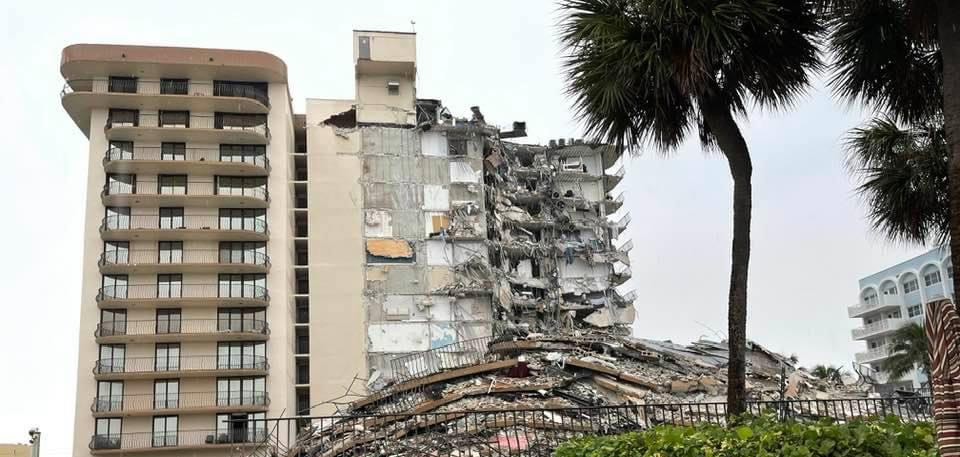
Structural collapse rarely occurs without warning. Buildings often show visible and measurable signs of distress long before a serious failure takes place. Understanding “What is an indicator of structural collapse?” helps you recognize when a condition requires professional attention rather than assumption or delay.
These indicators are not limited to dramatic failures and often appear during normal use of a property. Awareness allows you to respond early, protect occupants, and make informed decisions based on observed conditions rather than uncertainty.
Cracking is one of the earliest and most noticeable signs of structural distress. Changes in crack width, length, or direction often reflect shifting loads or internal movement within the structure. Horizontal cracking, diagonal cracking near doors or windows, and stair-step cracking in masonry typically point to issues beyond surface finishes.
The behavior and progression of cracking matter more than the presence of a single line. Tracking how cracks evolve over time helps clarify “What is an indicator of structural collapse?” versus normal material movement.
Deflection occurs when structural elements bend or sag under sustained load. Sloping floors, sagging ceilings, and bowed walls suggest that components may no longer perform as intended. Misalignment often becomes visible through doors or windows that stick or gaps forming between walls and ceilings.
These changes indicate that load paths within the building may be shifting. Visible deformation should signal the need for evaluation rather than continued use without review.
Structural systems depend on materials maintaining their strength and integrity. Water intrusion can weaken concrete, corrode steel, and degrade wood over time. Spalling concrete, exposed reinforcement, rust staining, and rot reduce load-carrying capacity even when damage seems isolated.
Ongoing environmental exposure accelerates deterioration when moisture remains present. Recognizing material decline early helps answer “What is an indicator of structural collapse?” before reduced capacity leads to more serious consequences.
Structures sometimes communicate distress through sound and motion. Popping, cracking, or shifting noises may signal stress redistribution or movement at connections. Visible movement, such as leaning walls or settling columns, indicates reduced stability that warrants attention.
These symptoms often appear later in the progression of structural problems. Addressing concerns at this stage helps clarify risk and determine appropriate next steps.
Indicators of structural collapse often appear gradually through cracking, deflection, material deterioration, or movement that changes how a building behaves over time. Recognizing these conditions early allows you to move from concern to clarity before safety, liability, or compliance issues escalate.
At Stone Building Solutions, we help by performing structural evaluations, milestone inspections, and construction monitoring that document conditions and provide professional insight while contractors carry out the physical work. Our role is to observe, assess, and guide decisions using engineering judgment grounded in real building conditions. This approach supports responsible planning and protects long-term building performance.
Seeing any of these indicators? Contact our engineering team to review conditions, explain what the structure is communicating, and guide the next steps with confidence.
"*" indicates required fields