REQUEST A QUOTE
"*" indicates required fields
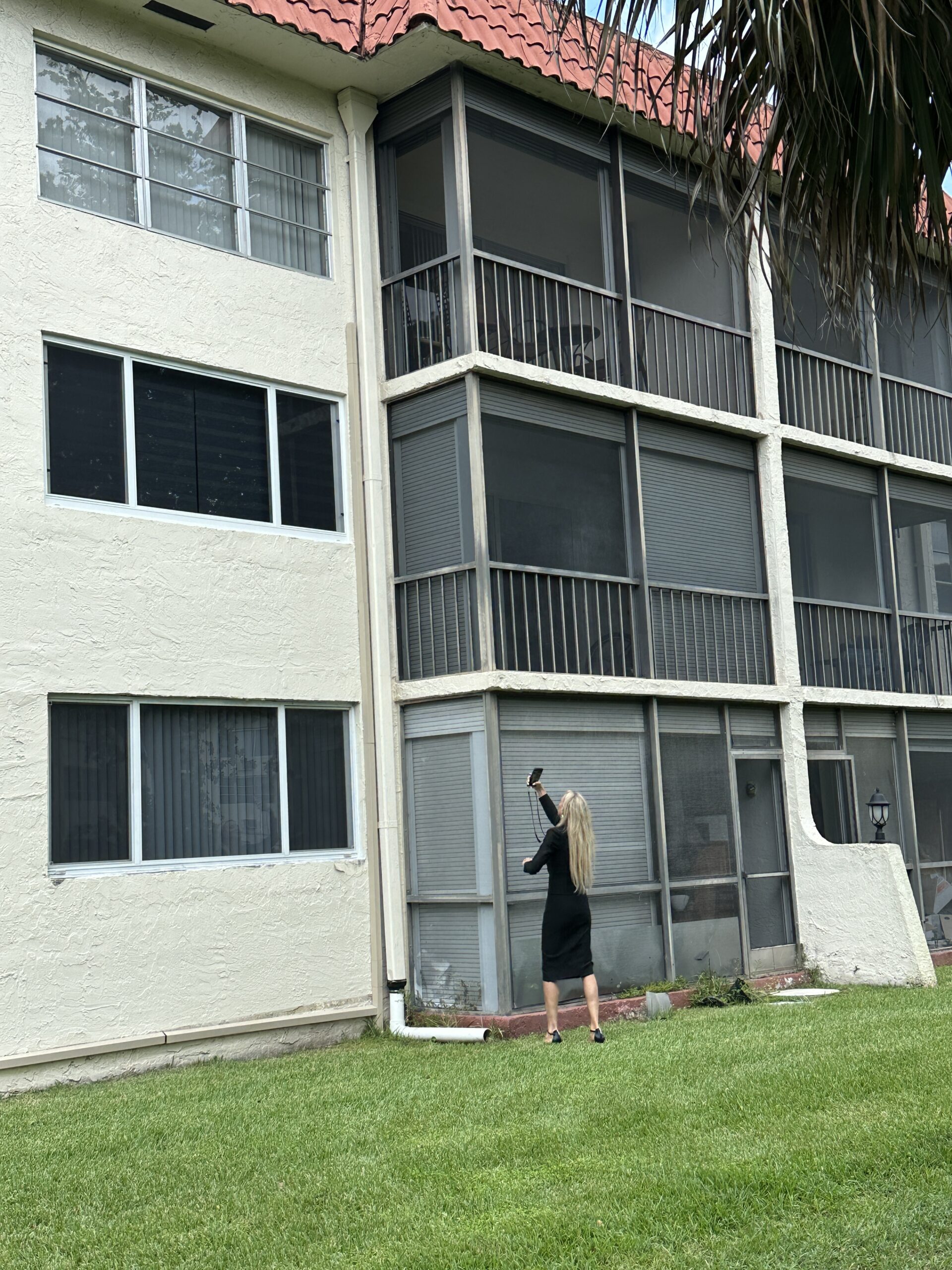
Fire inspections play an important role in protecting occupants, property, and long-term building value. Owners and associations often receive notice of an upcoming inspection without fully understanding what to expect.
Knowing what happens during a fire inspection helps you prepare properly, respond with confidence, and reduce avoidable delays. From document review to on-site evaluation, the process follows a defined structure.
Fire inspections verify that buildings comply with adopted fire codes and local safety standards. These reviews focus on life safety systems that support safe evacuation and early emergency response. Authorities rely on inspections to reduce risk before an incident occurs. Property owners gain clarity around compliance expectations and documentation requirements.
From an engineering perspective, inspections also create a formal record that supports responsible planning and long-term maintenance decisions. This structure helps stakeholders coordinate responsibilities, budgets, and timelines while maintaining consistent oversight across complex properties and occupancies.
Before entering a building, inspectors review records that outline past compliance and current conditions. These materials often include permits, maintenance logs, system test reports, and prior inspection findings.
The goal is to confirm that the required documentation exists and reflects actual site conditions. Proper preparation reduces confusion during the visit and supports accurate observations. Engineering review often helps organize these materials and identify gaps before inspections begin on-site reviews occur.
During the on-site visit, inspectors walk through interior and exterior areas to evaluate fire safety conditions. Attention is given to alarm panels, detection devices, sprinklers, extinguishers, exit routes, lighting, and fire-rated assemblies. Inspectors check accessibility, visibility, and operational status rather than performing repairs.
Potential hazards such as blocked exits, storage issues, or electrical concerns are documented. From an engineering perspective, careful observation and documentation help translate these findings into clear reports that support corrective planning.
This process provides owners and managers with objective insight into current conditions and regulatory alignment across occupied spaces and shared systems during reviews.
Many findings relate to maintenance and daily use rather than system design. Blocked exits, missing signage, expired extinguishers, and damaged fire doors are common examples. Small deficiencies can grow into larger compliance concerns if left unresolved.
Professional evaluation helps prioritize corrective actions based on safety impact and code requirements. Engineering insight supports practical sequencing of corrections without unnecessary disruption to occupants or operations.
After the inspection, a formal report outlines findings and required follow-up actions. Timelines for corrections are often defined by local authorities. Owners may need to coordinate repairs, documentation updates, or re-inspections. Understanding the report helps avoid delays.
Engineering guidance supports clear interpretation and organized response planning. This clarity helps align responsibilities, budgets, and scheduling while supporting compliance tracking across property portfolios and governing requirements over review cycles ahead.
Fire inspections bring clarity to safety conditions, documentation gaps, and system performance across a property. Knowing what inspectors review, how findings are documented, and what follow-up is required allows you to respond with confidence.
At Stone Building Solutions, we help interpret inspection reports, observe conditions from an engineering standpoint, and support compliance planning through services such as fire safety inspections, building assessments, construction observation, and reserve studies. Our role focuses on objective review and guidance so you can prioritize actions, coordinate responsibly, and maintain alignment with applicable requirements.
If you would like help reviewing a fire inspection report or planning next steps, contact us to discuss how our engineering services can support your property. We are available to answer questions and provide clear direction.
"*" indicates required fields