REQUEST A QUOTE
"*" indicates required fields
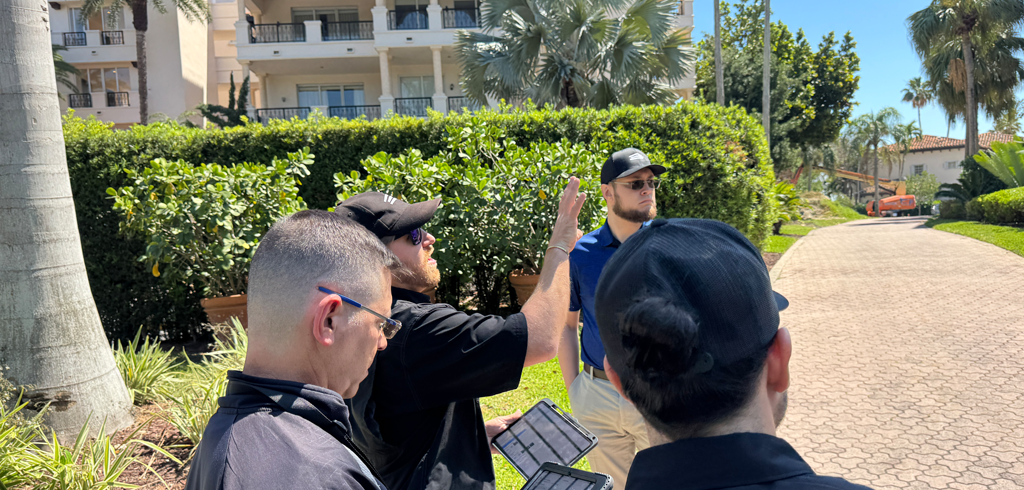
From the outside, observation and oversight can appear almost identical.
Both involve site visits. Both involve documentation. Both result in reports that describe what’s happening on a project.
But the difference between them is not in what they produce.
It’s in what they influence.
Observation is inherently passive.
It captures conditions at a moment in time. It records what was seen, what was noted, and what may require attention moving forward. It creates a record of the project as it exists during each visit.
That record has value.
But it does not change the trajectory of the work.
It tells you what happened.
It does not determine what happens next.
Oversight operates differently.
It is active, engaged, and positioned within the flow of the project rather than outside of it. It does not wait for issues to be documented—it addresses them as they arise.
It challenges discrepancies in real time. It aligns field decisions with design intent. It ensures that what is being built reflects what was planned.
And most importantly, it does so while the work is still in progress.
Because once the work is complete, the opportunity to influence it has already passed.
In construction, problems are not created when they are discovered.
They are created when they are left unaddressed.
Observation allows those problems to be recorded.
Oversight prevents them from becoming permanent.
That distinction determines whether a project operates reactively or proactively.
Every project has documentation.
Not every project has control.
If your team is only observing, your project is still moving forward without protection.
"*" indicates required fields