REQUEST A QUOTE
"*" indicates required fields
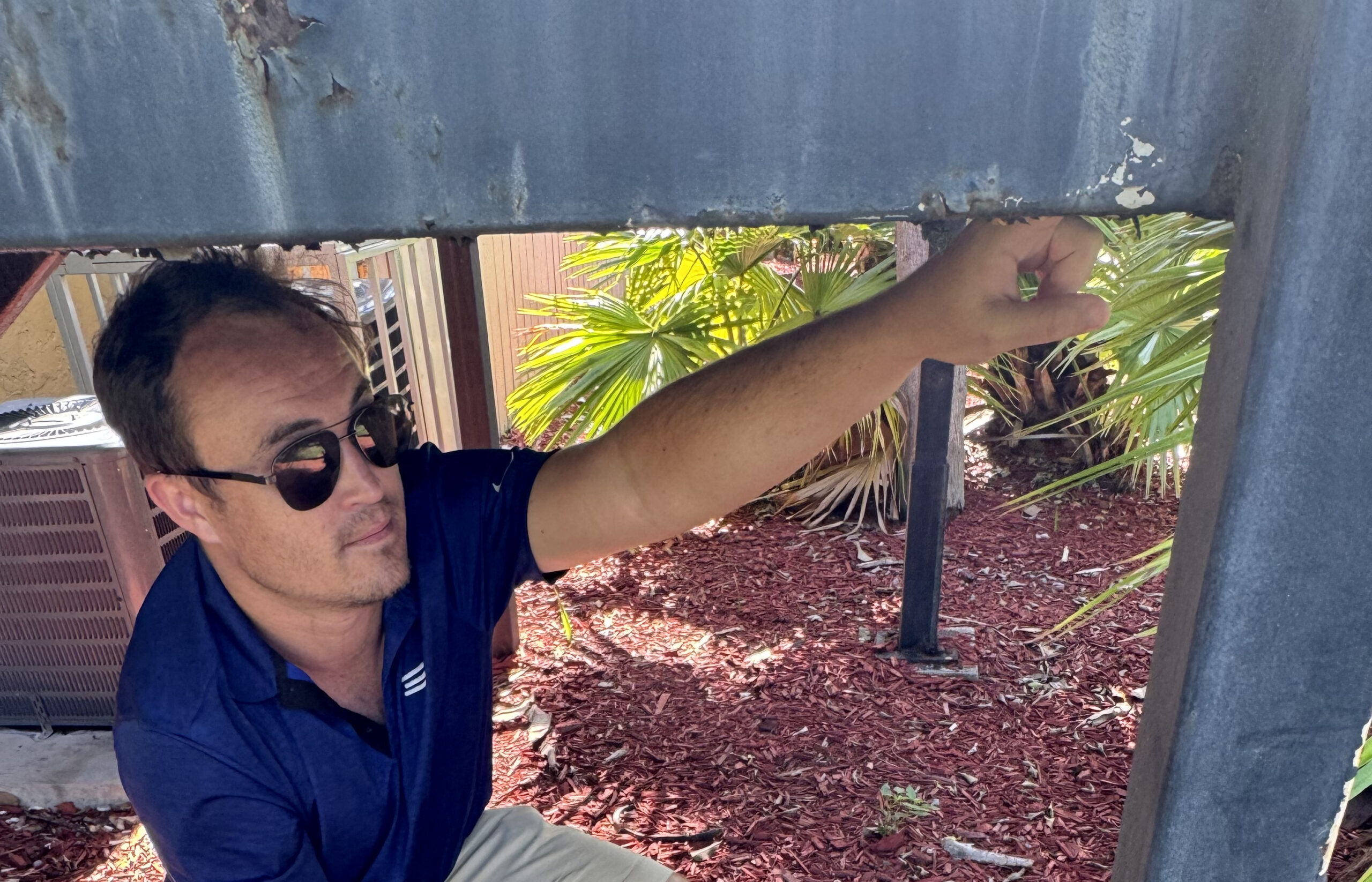
There is a natural tendency on construction projects to rely on what is visible.
If work appears complete, aligned, and well-executed, it is often accepted as such. Visual confirmation feels immediate. It provides a sense of progress and reassurance that things are moving in the right direction.
But construction performance is not determined by what can be seen.
It is determined by what cannot.
Behind every finished surface is a system of components working together.
Those systems depend on:
If any part of that system is incomplete or improperly executed, the issue is not immediately visible.
It exists beneath the surface, where it cannot be evaluated without intentional verification.
The risk of visual approval is not that it is always wrong.
It is that it is incomplete.
A wall may appear finished, but the waterproofing behind it may not be properly integrated. A structural element may look aligned, but its connection may not meet required standards. A system may look operational, but lack the performance needed over time.
By the time these issues become visible, they are no longer simple to correct.
Visual approval is efficient.
It requires less time, less access, and less technical evaluation. In fast-moving projects, that efficiency is appealing.
But efficiency without depth creates blind spots.
And those blind spots are where long-term problems begin.
True evaluation goes beyond appearance.
It requires presence during installation, understanding of system performance, and alignment with both design intent and real-world conditions.
It requires someone asking not just “Does it look right?” but “Was it built right?”
Appearance provides confidence in the moment.
Performance determines the outcome over time.
If your approvals are based on what you see, you may be missing what matters most.
"*" indicates required fields